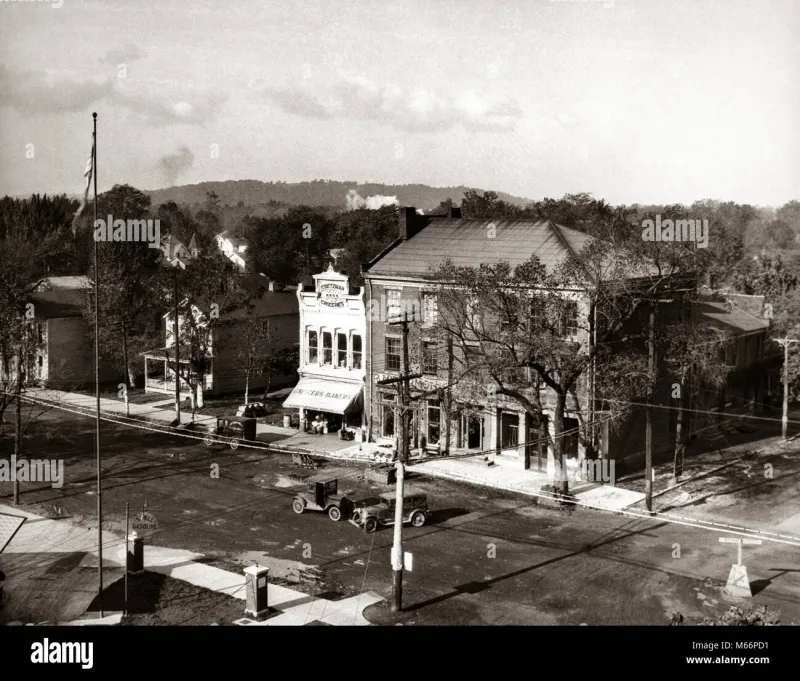
Over Before the Ink Dried: The 19th-Century American Border Skirmish That Lasted Less Than an Afternoon
If you ask most people to name the shortest war in history, the ones who know the answer will say Zanzibar. August 1896. The British ultimatum expired, the guns opened up, and the whole thing was finished in somewhere between 38 and 45 minutes depending on whose account you trust. It's a reliable trivia answer and a genuinely remarkable historical footnote.
What almost nobody knows is that American history contains its own entry in the category of conflicts so brief they barely qualify as events — a documented border standoff from the latter half of the 19th century that was declared, engaged, and resolved in the span of a single afternoon, before official word of its existence had traveled more than a few miles from where it happened.
It didn't make the textbooks. There's a reason for that, and the reason is almost as interesting as the skirmish itself.
The Geography of Misunderstanding
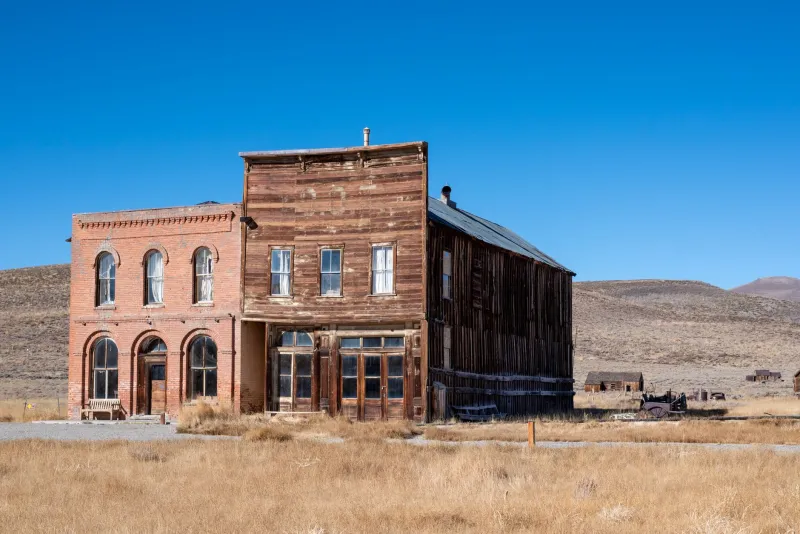
The American West in the decades following the Civil War was a cartographic argument waiting to happen. State and territorial boundaries were drawn by surveyors working from incomplete data, ratified by legislators who had never visited the land in question, and administered by federal agents whose jurisdictions overlapped in ways that nobody had fully worked out.
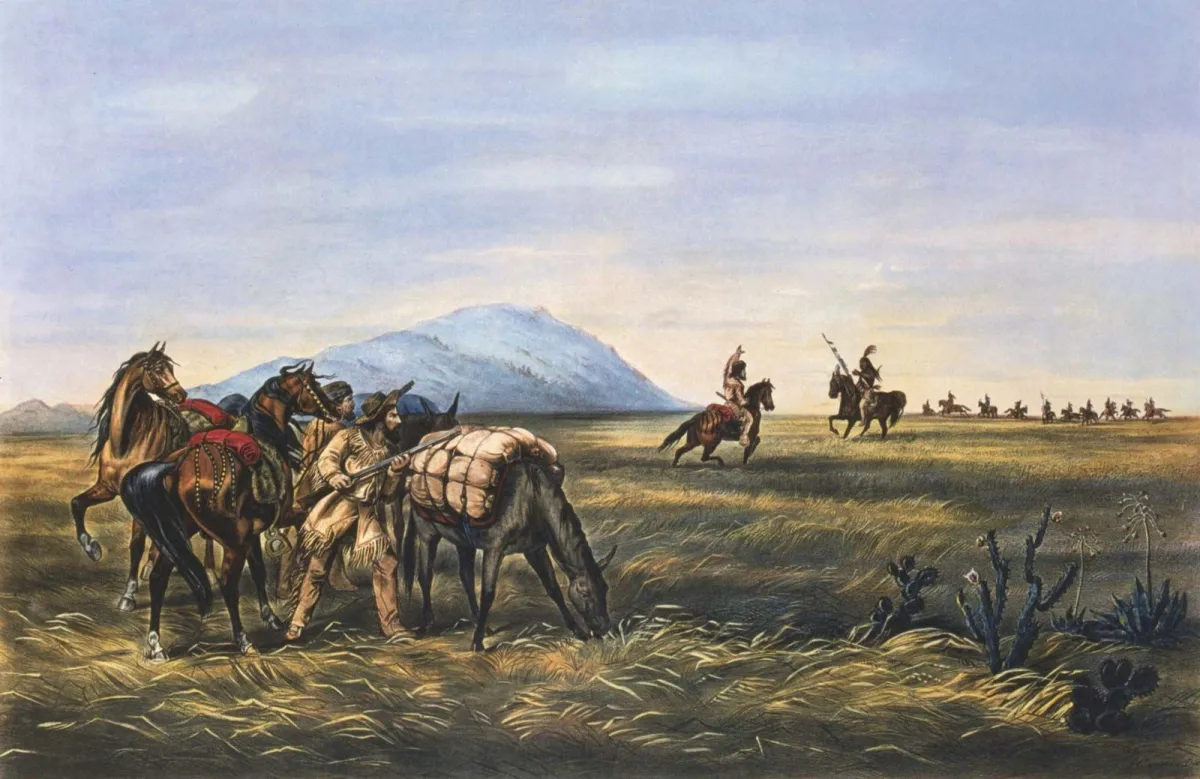 Photo: American West, via cdn.britannica.com
The result was a landscape dotted with genuine ambiguity — places where two jurisdictions both believed, with documentary support, that they were in charge. Most of the time this produced nothing more than administrative headaches and occasional legal disputes. Occasionally, it produced something more combustible.
The skirmish in question arose from exactly this kind of overlap. Two small communities — one operating under the authority of one territorial government, one under another — found themselves sharing a strip of land that both governments had, through separate surveying errors, assigned to themselves. The land itself was not particularly valuable. It was scrub and rock and not much else. But the principle, as principles tend to do in American history, mattered enormously to the people involved.
The Morning Things Went Wrong
The sequence of events, reconstructed from territorial records and a handful of firsthand accounts collected by a regional historian in the early 20th century, began with a formal notice.
One jurisdiction — let's call them the claimants — sent a small delegation to the disputed strip with a written declaration asserting their authority over the land and demanding that the other side's settlers vacate. The delegation was not a military force in any formal sense. It was closer to what we'd now call a strongly worded committee: a handful of armed men, a territorial official with a document, and the general air of people who expected to be taken seriously.
The other side was not in a mood to vacate.
Words were exchanged. The written declaration was, by some accounts, physically rejected — handed back, or placed on the ground, depending on which version you read. Weapons were raised, though no shots were fired. For a period estimated at somewhere between forty minutes and two hours, the two delegations faced each other across a boundary that existed entirely on paper.
The Fastest De-Escalation in Western History
What ended the standoff was not negotiation, exactly. It was news.
A rider arrived — from which direction varies by account — carrying word that the territorial dispute underpinning the entire confrontation had already been resolved. Not recently. The resolution had apparently been formalized weeks earlier, in a capital city far removed from the scrubland where two groups of men were currently deciding whether to shoot at each other. The paperwork simply hadn't arrived yet.
Under the terms of the resolution, the strip of land had been assigned to one jurisdiction clearly and without ambiguity. The delegation that had shown up with the written declaration was, as of several weeks prior, operating in territory that was legally theirs. The other side's settlers were, as of several weeks prior, trespassing — though through no fault of their own.
The confrontation dissolved almost immediately. The delegation accepted the news. The settlers, after some understandably tense conversation, agreed to relocate. Everyone went home.
The whole thing, from formal declaration to resolution, had lasted less than an afternoon.
Why Nobody Wrote This Down (Officially)
Here is where the story gets philosophically interesting.
For an event to make it into the historical record — into textbooks, into the kind of narrative that gets passed down — it generally needs a few things: casualties, consequences, or a clean narrative arc that makes it easy to explain. Ideally all three.
This skirmish had none of them. Nobody was hurt. The land dispute was resolved not by the confrontation but by paperwork that predated it. And the narrative arc was, to put it kindly, anticlimactic: two groups of people almost fought over a piece of land that had already been legally assigned, then stopped when they found out.
The territorial governments involved had every incentive to let the story fade quietly. Acknowledging the standoff meant acknowledging the surveying errors and administrative failures that had caused it. It meant explaining why the resolution hadn't been communicated faster. It meant, in short, a level of institutional embarrassment that nobody was eager to invite.
So the incident was documented in regional records — territorial correspondence, a local official's diary, a brief and carefully worded report — but never elevated to the kind of formal historical account that would have given it staying power. Within a generation, it was effectively forgotten outside a narrow circle of local historians.
The Conflicts That History Forgets
The Anglo-Zanzibar War is famous partly because it ended in total, documented victory for one side and partly because the British Empire kept meticulous records of its military engagements, however brief. The 38-minute timestamp exists because someone with authority wrote it down and made sure the writing survived.
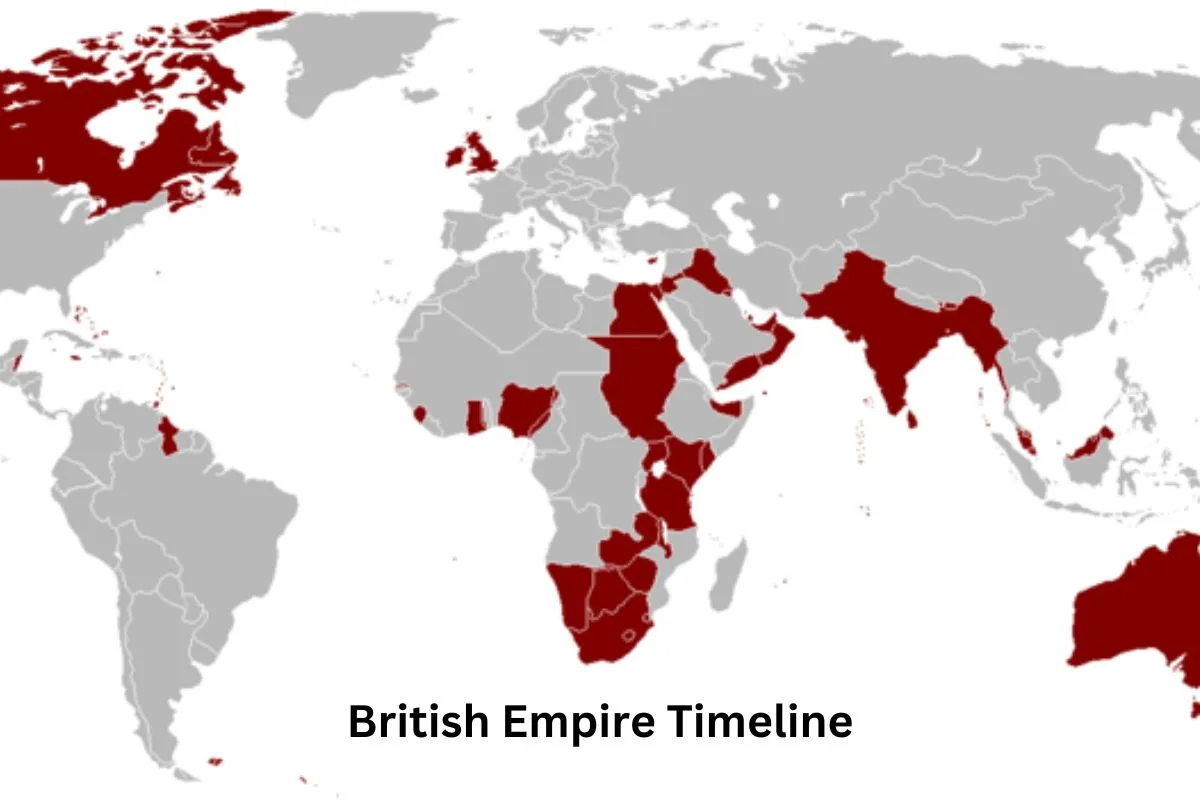 Photo: British Empire, via www.havefunwithhistory.com
American history is full of events that didn't get that treatment — conflicts and near-conflicts and moments of genuine tension that were resolved too quickly, too quietly, or too embarrassingly to earn a place in the official story. They show up in territorial archives and local diaries and the occasional regional history written by someone with enough patience to dig through boxes of 19th-century correspondence.
The border skirmish that lasted less than an afternoon is one of them. It began over a surveying error, ended because of a paperwork delay, and vanished from the record because nobody involved wanted to be the one to explain how it had happened.
Which, when you think about it, is a very American ending.