Help Wanted: New Townspeople. The Midwest Depression Ad That Actually Worked Too Well

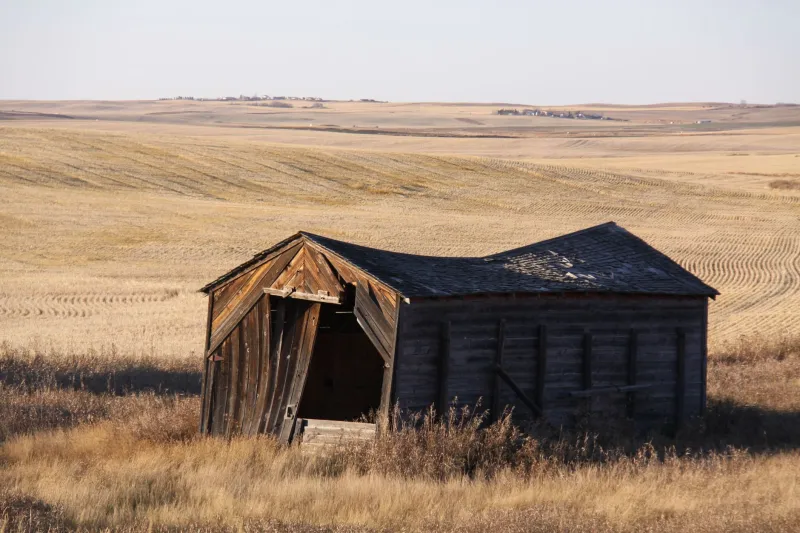
Photo: Dorothea Lange, Public domain, via Wikimedia Commons
An Ad That Read Like a Lifeline
Picture flipping through a big-city newspaper in 1934. Jobs are scarce, banks are failing, and the news is relentlessly grim. Then, wedged between the classifieds, you spot something strange: a small advertisement from a town you've never heard of, promising free land, low taxes, and — most shockingly — hope.
For a handful of Midwestern communities battered by the Depression and the Dust Bowl, recruitment wasn't just an idea. It was survival strategy. And in at least one Kansas town, the scheme didn't just nudge the population upward. It transformed the place so completely that locals today can still trace their family trees straight back to a newspaper ad.
Why a Town Would Advertise for People
The math of the 1930s was brutal. Farm prices collapsed. Young people left for the coasts and never came back. Main Street storefronts went dark one by one, and school districts started consolidating because there weren't enough children to fill the classrooms.
Some town boosters — chamber of commerce types, newspaper editors, bankers with everything to lose — concluded that waiting out the Depression was a losing bet. If people wouldn't come on their own, the town would go get them. So they did what any business would do: they marketed.
Ads ran in papers in Chicago, St. Louis, and Denver. Some offered cheap or free lots. Others promised work on local projects, or simply painted the town as a haven of good soil and decent neighbors. It sounds almost like a scam — because usually it was. Plenty of land speculators ran similar ads with no intention of honoring the fine print.
The Town That Meant It
What made one Kansas recruitment drive different was follow-through. Families who answered the ad arrived to find the promises were real: lots at token prices, a community eager to help them get established, and a genuine labor shortage that meant anyone willing to work could.
Word traveled the old-fashioned way — letters home. "It's real," early arrivals wrote to cousins and former neighbors. "Come on out." Within a few years, the town had roughly doubled. Newcomers from urban backgrounds opened businesses that hadn't existed there before, and the town's culture shifted in ways older residents hadn't predicted.
The Descendants Who Never Left
Here's the part that turns this from an odd anecdote into something remarkable: the migration stuck. Families who came for a cheap house and a job found roots. Their kids grew up on those lots. Their grandkids still run businesses on the same streets, and a surprising number of residents today can tell you the exact ad that brought their great-grandparents west.
In a century defined by towns drying up and blowing away, this one reverse-engineered its own future with a classified ad and a promise it actually kept. Not bad for a marketing campaign with a budget of almost nothing.