The Phantom Boom Town: When Bad Handwriting Rewrote Nevada's Map
The Numbers That Didn't Add Up
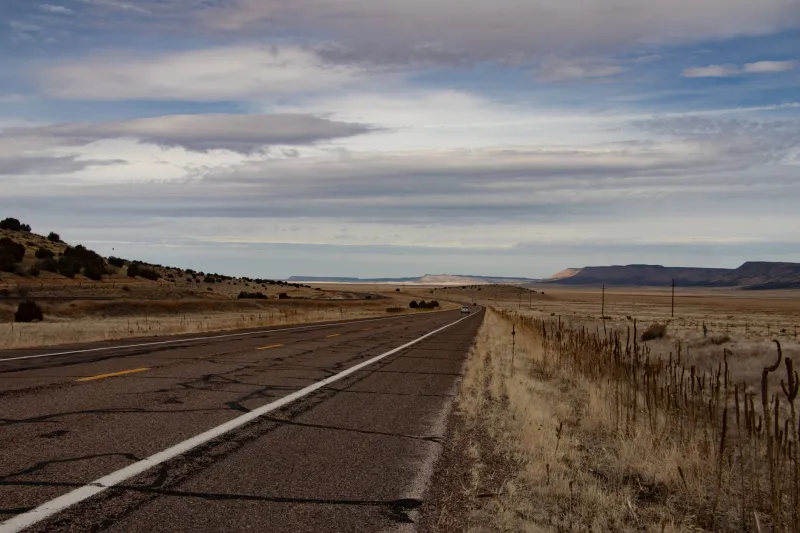
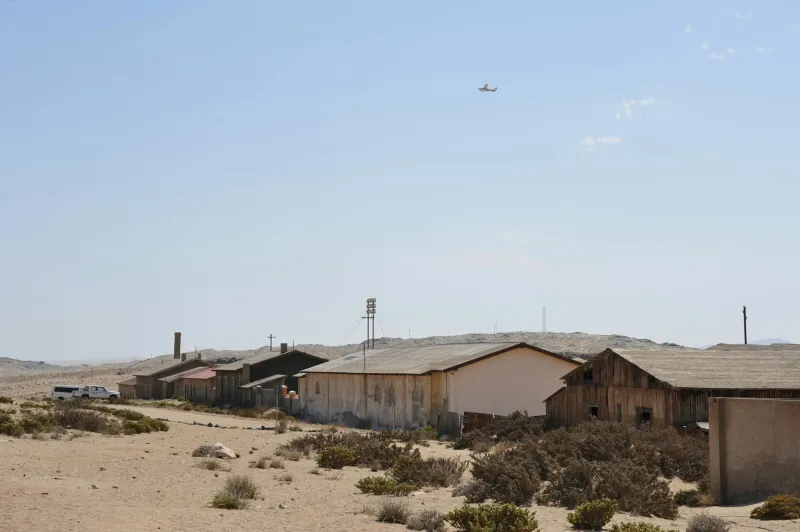
Silver Creek, Nevada, was dying in 1880. The mines had played out, most families had moved on, and maybe sixty souls still called the dusty collection of weathered buildings home. When federal census enumerator William Hartley arrived that summer, he found a town that time was already forgetting.
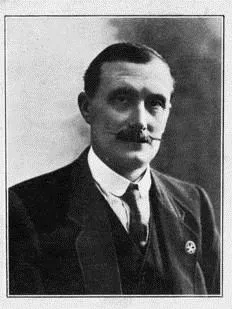 Photo: William Hartley, via alchetron.com
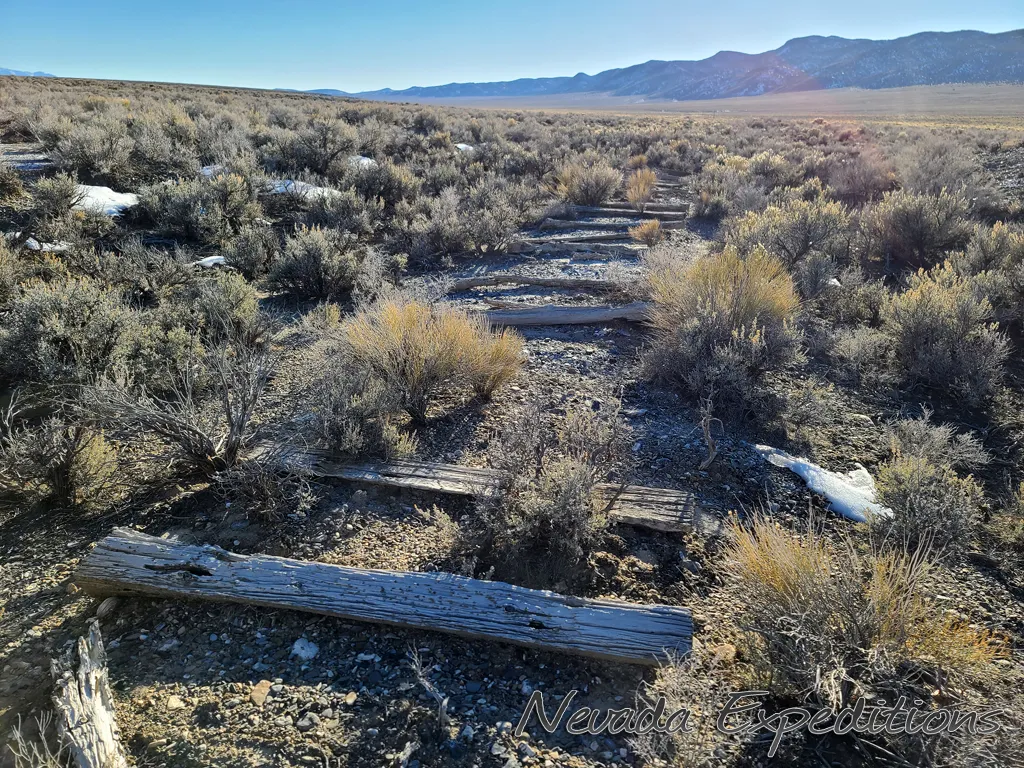 Photo: Silver Creek, Nevada, via www.nvexpeditions.com
What he recorded in his ledger, however, would make Silver Creek one of the most important places in Nevada for the next four decades — even though it practically didn't exist.
Somewhere between Hartley's field notes and the final tabulation in Washington, D.C., Silver Creek's population underwent a miraculous transformation. The official 1880 census recorded 14,247 residents, making it Nevada's second-largest city after Virginia City. In reality, you could have counted every man, woman, and child in Silver Creek without taking off your shoes.
 Photo: Virginia City, via visitvirginiacitynv.com
The Mistake That Multiplied
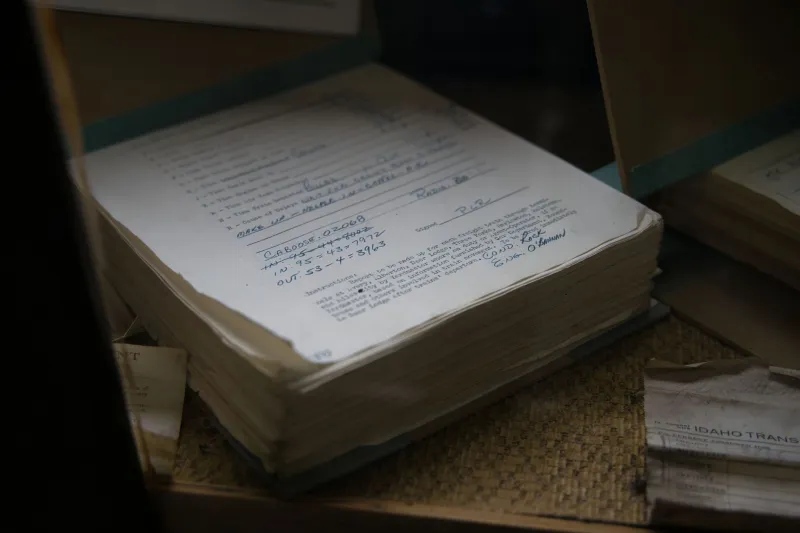
The error was almost certainly clerical — a smudged number, illegible handwriting, or a clerk's misreading that transformed "62" into something that looked like "14,247." In 1880, when government record-keeping was done entirely by hand and cross-checking was minimal, such mistakes were more common than anyone wanted to admit.
What made Silver Creek's phantom population special was timing. The 1880 census coincided with Nevada's push for statehood recognition and federal infrastructure investment. Congressional representatives used population figures to argue for everything from railroad subsidies to military installations. A city of 14,000 people in the middle of Nevada's mining country looked like exactly the kind of strategic location that deserved federal attention.
Nobody bothered to verify the numbers. Why would they? Silver Creek was remote, communications were slow, and the figure seemed plausible given Nevada's mining boom. If the census said 14,247 people lived there, then 14,247 people lived there.
The Resources That Followed
For Silver Creek's handful of actual residents, the phantom population was a bonanza. Federal land grants allocated for a city of 14,000 were distributed to whoever happened to be present to claim them. Mail routes were established to serve the non-existent thousands. Telegraph lines were strung to connect Silver Creek to the outside world.
The most significant windfall came in 1885, when Congress appropriated funds for a federal courthouse to serve Silver Creek's substantial population. The building, constructed to accommodate a city of 14,000, served maybe fifty people on busy days. It housed the post office, the telegraph office, a general store, and had enough empty rooms to echo.
The Ripple Effect
Silver Creek's inflated population didn't just benefit Silver Creek — it actively harmed other Nevada communities. Congressional apportionment formulas used population data to distribute resources. Every dollar, every federal job, every infrastructure project allocated to phantom Silver Creek was a dollar not going to places like Reno, Carson City, or the dozen other towns that actually needed investment.
The town of Elko, with a real population of nearly 2,000, received less federal funding than Silver Creek throughout the 1880s and 1890s. When railroad companies consulted government population data to plan routes, they saw Silver Creek as a major destination and bypassed smaller communities that would have benefited from rail access.
Meanwhile, Silver Creek continued its slow decline. By 1890, the actual population had dropped to maybe thirty people. The 1890 census should have corrected the error, but by then Silver Creek had become institutionally important. Federal agencies had offices there. Congressional representatives had political capital invested in serving their "major constituency." The easiest solution was to assume the population had simply become more dispersed and hard to count.
The Truth That Nobody Wanted
By 1900, Silver Creek's phantom status had become an open secret among Nevada's political establishment. Everyone knew the town was essentially empty, but nobody wanted to be responsible for admitting that twenty years of federal investment had been based on a clerical error.
Local newspapers occasionally ran tongue-in-cheek stories about Silver Creek's "invisible citizens" or joked about the town's remarkable ability to remain important despite being abandoned. But official records continued to list Silver Creek as a significant Nevada municipality well into the 1910s.
The Genealogists Who Solved the Mystery
The truth finally emerged in 1973, when amateur genealogists Robert and Helen Marsh were researching Nevada mining families for a local historical society. They noticed something odd: despite Silver Creek's supposed population of 14,000+ in 1880, they couldn't find records of any families actually living there during that period.
Digging deeper, the Marshes obtained copies of the original census enumerator's field notes from the National Archives. William Hartley's handwriting was indeed difficult to read, but with magnification and patience, they could make out "62 residents" in his notes about Silver Creek.
Comparing the field notes to the official tabulations revealed the error: a clerk in Washington had misread Hartley's "62" as "14,247" and entered the inflated number into the permanent record. Nobody had ever double-checked the transcription.
The Consequences That Lasted
The Marshes' discovery explained decades of puzzling Nevada history. Why had the federal government built such elaborate infrastructure in the middle of nowhere? Why had congressional representatives fought so hard for appropriations for a town nobody could locate on modern maps? Why had railroad surveys from the 1880s included stops at places that turned out to be empty desert?
All because one census clerk couldn't read another clerk's handwriting.
The Silver Creek error also revealed how bureaucratic momentum can sustain mistakes long after they should have been obvious. Once the phantom population was encoded in official records, it became easier to perpetuate the fiction than to admit the error and redistribute resources.
The Ghost Town That Ruled Nevada
Silver Creek's story is a perfect example of how small errors can have enormous consequences when they interact with complex systems. A single smudged number in a government ledger redirected federal resources across an entire state for forty years.
Today, Silver Creek exists only as a few foundation stones and a historical marker that tells visitors about Nevada's "most influential ghost town." The federal courthouse still stands, a monument to the power of bad handwriting to reshape government policy.
Every time you fill out a government form or submit official paperwork, remember Silver Creek: sometimes the most important numbers are the ones nobody bothers to double-check.