Borrowed Glory: How Mount Rainier Got Stuck With a British Admiral's Buddy's Name
When Friendship Trumped Geography
On May 8, 1792, Captain George Vancouver was having what appeared to be a perfectly ordinary day exploring Puget Sound when he made a decision that would spark a naming controversy lasting well into the 21st century. Looking up at the massive volcanic peak that had dominated the landscape for millennia, Vancouver decided to honor his friend Rear Admiral Peter Rainier by slapping the man's name on a mountain Rainier would never see, never climb, and had absolutely no connection to whatsoever.
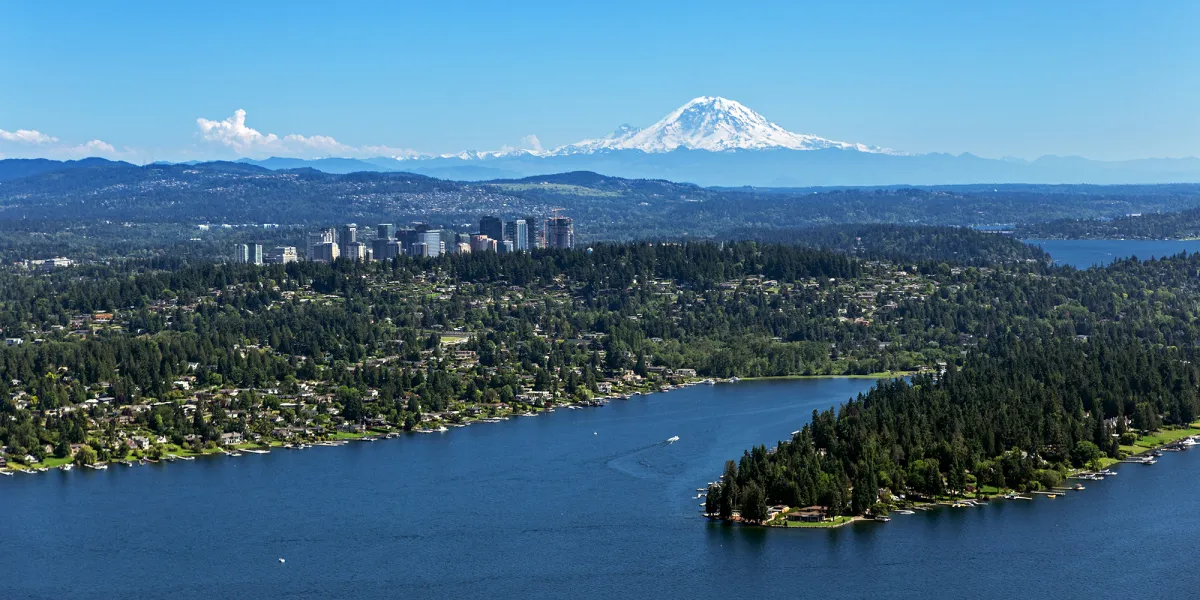 Photo: Puget Sound, via www.lakehomes.com
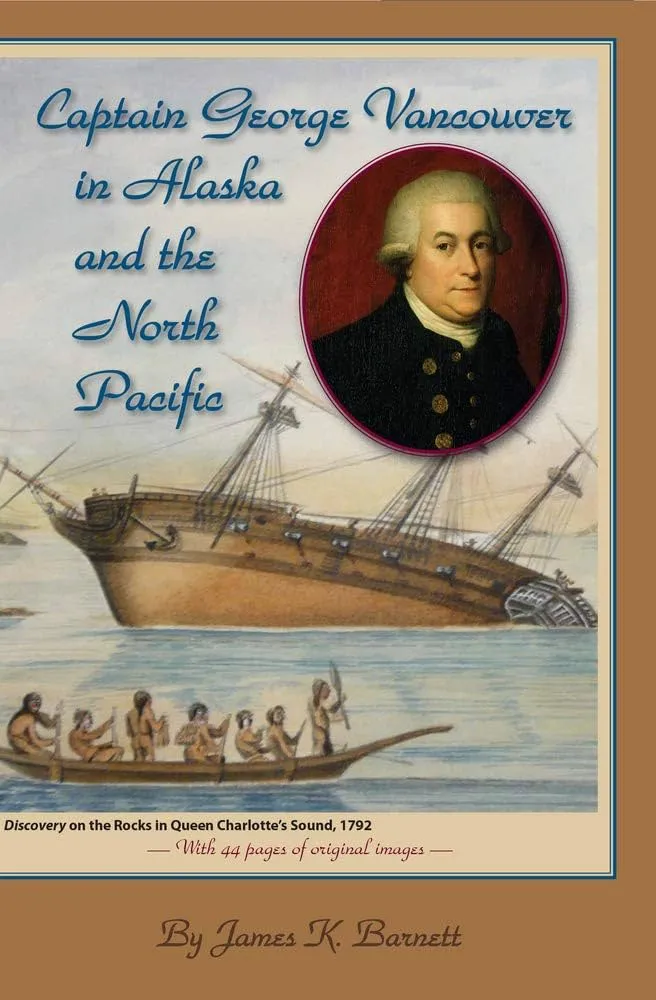 Photo: Captain George Vancouver, via m.media-amazon.com
It was the kind of casual colonial gesture that seemed perfectly reasonable at the time but looks increasingly absurd with historical distance. Vancouver essentially turned one of North America's most iconic peaks into a geographic thank-you card.
The Mountain That Already Had a Name
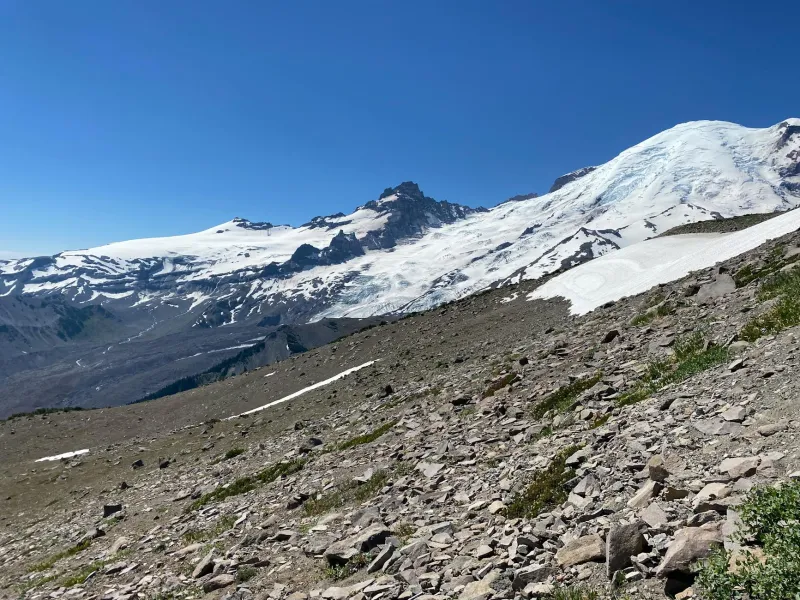
Long before European explorers arrived in the Pacific Northwest, the 14,411-foot stratovolcano had been known by various Indigenous names, most commonly Tahoma or Tacoma, meaning "mother of waters" in the Lushootseed language of the local Puyallup people. The name reflected the mountain's role as the source of numerous rivers and streams that sustained life throughout the region.
To the Indigenous peoples who lived in its shadow, the mountain wasn't just a geographical feature – it was a spiritual center, a weather predictor, and a navigation landmark that had guided travelers for countless generations. Tahoma appeared in creation stories, seasonal ceremonies, and daily life in ways that made the peak inseparable from regional identity.
Vancouver, sailing past on a British naval expedition, saw none of this cultural significance. To him, it was simply an unnamed mountain in need of proper British nomenclature.
The Admiral Who Never Knew
Peter Rainier, the unwitting namesake of America's fifth-highest peak, was busy fighting French naval forces in the Indian Ocean when his name was permanently attached to a mountain half a world away. A competent but unremarkable officer, Rainier had befriended Vancouver during their service together in the Caribbean, but he never expressed any interest in Pacific Northwest exploration and certainly never requested to have geographic features named after him.
In fact, there's no evidence that Rainier ever learned about his mountainous honor. He died in 1808, sixteen years after Vancouver's naming gesture, having spent his final years focused on Mediterranean naval operations and his estate in England. The mountain bearing his name remained a distant curiosity in British colonial records, if it was mentioned at all.
This makes Mount Rainier perhaps the only major American landmark named after someone who was completely unaware of its existence.
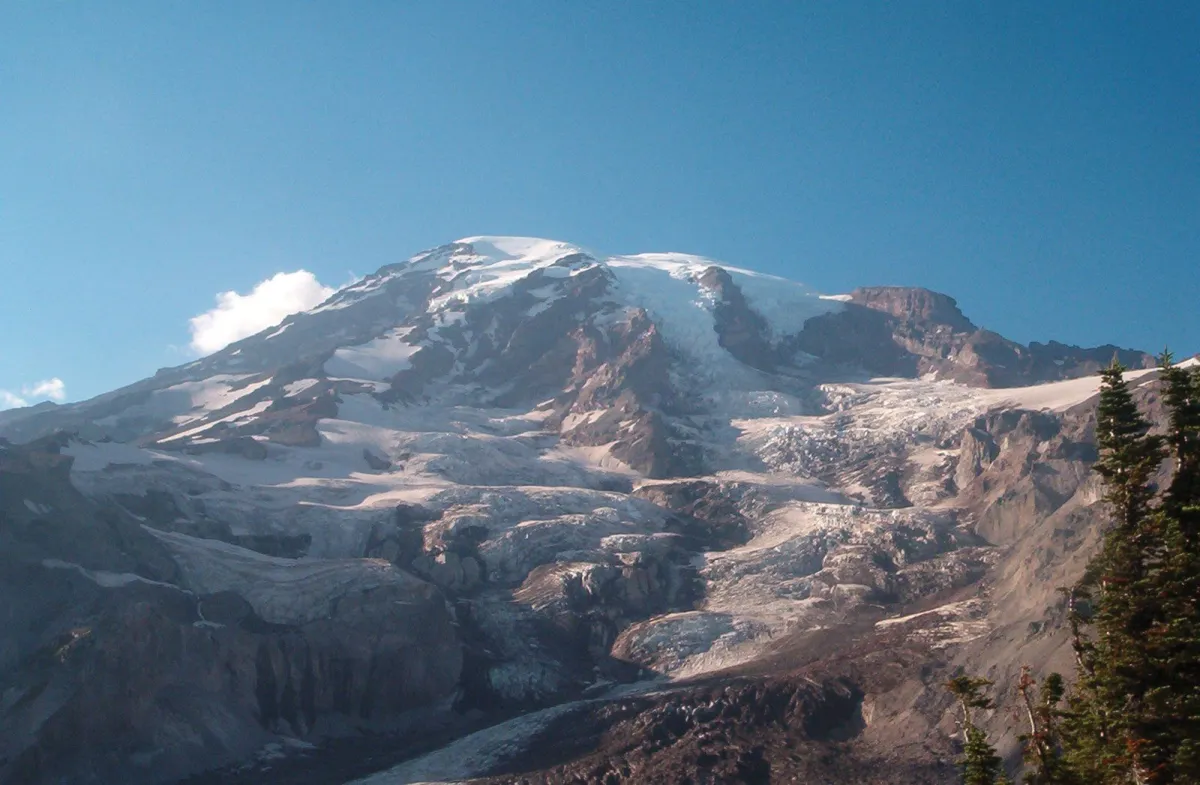 Photo: Mount Rainier, via cdn.britannica.com
How a Casual Decision Became Permanent
Vancouver's offhand naming choice might have remained a footnote in British exploration records, but American territorial expansion gave it unexpected staying power. When the United States gained control of the Pacific Northwest through the Oregon Treaty of 1846, American mapmakers simply adopted existing British names rather than researching Indigenous alternatives.
This bureaucratic shortcut meant that Rainier's name became embedded in official U.S. geographical records, where it gained legal weight that proved remarkably difficult to change. By the time Mount Rainier National Park was established in 1899, the British admiral's name had achieved a kind of administrative immortality that transcended its arbitrary origins.
The irony was perfect: an American national park was named after a mountain that was named after a British naval officer who fought against American independence and never knew the mountain existed.
The Name That Won't Die
Over the past century, numerous efforts have attempted to restore the mountain's Indigenous name, but they've consistently run into the same bureaucratic inertia that preserved Rainier's name in the first place. The U.S. Board on Geographic Names, established in 1890 to standardize American place names, has traditionally required compelling reasons to change long-established designations.
In 1924, the Mountaineers club proposed changing the name to Mount Tacoma, arguing that it would honor regional Indigenous heritage while maintaining the mountain's established identity. The proposal gained significant local support but died in federal committees that prioritized naming stability over historical accuracy.
Similar efforts in 1963, 1998, and 2015 met the same fate, despite growing recognition that Indigenous place names represent irreplaceable cultural heritage. Each campaign generated passionate local debate but ultimately foundered on federal reluctance to reopen settled naming questions.
The Politics of Place Names
The Mount Rainier naming controversy reflects broader tensions about how America acknowledges its pre-colonial history. Unlike Confederate monuments or other contested symbols, the mountain's current name doesn't honor anyone particularly objectionable – Rainier was a competent naval officer who happened to be Vancouver's friend.
The problem isn't who Rainier was, but rather what his name represents: the casual erasure of Indigenous identity by colonial administrators who saw unnamed wilderness where thriving cultures had existed for millennia. Changing the name back to Tahoma wouldn't correct historical injustices, but it would acknowledge that places had meaningful names before Europeans arrived to "discover" them.
What's in a Name?
Today, Mount Rainier attracts over two million visitors annually, most of whom have no idea they're looking at a mountain named after an 18th-century British admiral who never saw it. The peak's Indigenous name survives in nearby Tacoma, the city that proudly embraced its Native heritage, but the mountain itself remains locked in a naming decision made by a British captain on a pleasant spring day in 1792.
The ongoing controversy illustrates how arbitrary historical decisions can gain tremendous staying power through simple bureaucratic momentum. Vancouver's casual gesture of friendship became American law, which became cultural tradition, which became practically unchangeable precedent.
The Mountain Endures
Regardless of what it's called, the massive volcanic peak continues to dominate the Pacific Northwest landscape just as it did when Indigenous peoples first named it Tahoma thousands of years ago. The mountain doesn't care about human naming controversies – it simply rises 14,411 feet above sea level, creating weather patterns, feeding rivers, and inspiring awe in everyone who sees it.
Perhaps that's the real lesson of the Mount Rainier naming saga: mountains outlast the people who name them, the governments that map them, and the controversies that surround them. Whether called Tahoma or Rainier, the peak remains what it has always been – one of the most spectacular natural landmarks in North America, worthy of respect regardless of what we choose to call it.
Vancouver's 1792 decision to honor his friend may have been arbitrary, but it created a permanent reminder that the places we inhabit carried deep meaning long before our maps gave them official names.