Special Delivery: When Utah Parents Shipped Their Kids to School via US Mail
When Stamps Became School Bus Passes
Imagine pinning a 53-cent stamp to your child's coat, handing them to the mailman, and waving goodbye as they disappear down a mountain trail toward their schoolhouse. It sounds like something out of a tall tale, but for families in remote Utah during the early 1900s, this wasn't fiction—it was Tuesday morning.
The United States Postal Service, in its infinite bureaucratic wisdom, had created regulations so specific yet so vague that they accidentally opened the door to one of the strangest commuting methods in American history. Children, it turned out, could legally be classified as parcels under federal mail regulations, provided they weighed less than 50 pounds and could pay the appropriate postage.
The Legal Loophole That Started It All
The bizarre practice emerged from a perfect storm of isolation and legal technicalities. Rural Utah communities were scattered across terrain so rugged that traditional transportation was nearly impossible. Meanwhile, the Postal Service's rural free delivery program was expanding rapidly, with mail carriers traversing routes that connected even the most remote settlements.
The key regulation that made human mail possible was surprisingly straightforward: the postal service would transport anything that fit size and weight requirements, could bear appropriate postage, and wasn't explicitly prohibited. Children, as it happened, weren't on the prohibited items list.
The first documented case occurred in 1913 when Jesse and Mathilda Beagle of Glen Este, Ohio, sent their 8-month-old son James to his grandmother's house via parcel post. The baby traveled just one mile, cost 15 cents in postage, and arrived safely with mail carrier Vernon Lytle, who happened to be the child's uncle.
Utah's Mountain Mail Routes
But it was in Utah's mountainous regions where the practice truly flourished. The state's geography created communities so isolated that children faced impossible journeys to reach the nearest schoolhouse. Some families lived days away from the closest educational facility, making daily attendance a logistical nightmare.
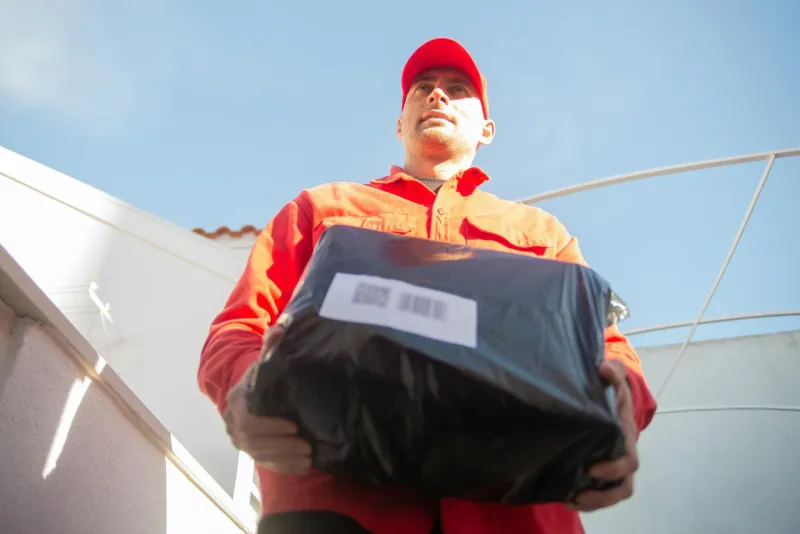
Enter the mail carriers, who were already making regular trips between these remote settlements. These postal workers became inadvertent school bus drivers, shepherding children along mountain paths and canyon routes that would have been treacherous for young travelers to navigate alone.
The children were treated with all the care of valuable packages—because, legally speaking, that's exactly what they were. Mail carriers would ensure their human cargo stayed warm, fed, and safe during journeys that could last several hours or even overnight in extreme weather conditions.
The Postal Service's Reluctant Babysitting Business
Word of the practice spread through rural communities like wildfire. Soon, postal workers across remote America found themselves in the unexpected business of child transportation. The service was remarkably affordable compared to hiring private transportation, and infinitely more reliable than depending on weather-dependent alternatives.
Children would arrive at their destinations with stamps carefully affixed to their clothing—usually their coat or hat—and official postal documentation treating them as registered packages. Some enterprising parents even insured their children like valuable parcels, ensuring compensation if anything went wrong during transport.
The mail carriers themselves became protective of their unusual cargo. These federal employees took their responsibility seriously, understanding that they were often the only reliable link between isolated families and the outside world.
When Washington Finally Noticed
The practice continued largely unnoticed by federal authorities until 1914, when Postmaster General Albert Burleson received reports of the widespread "human parcel" phenomenon. Initially dismissive, Burleson's attitude changed rapidly when he realized that mail carriers across the country had essentially become an unregulated childcare service.
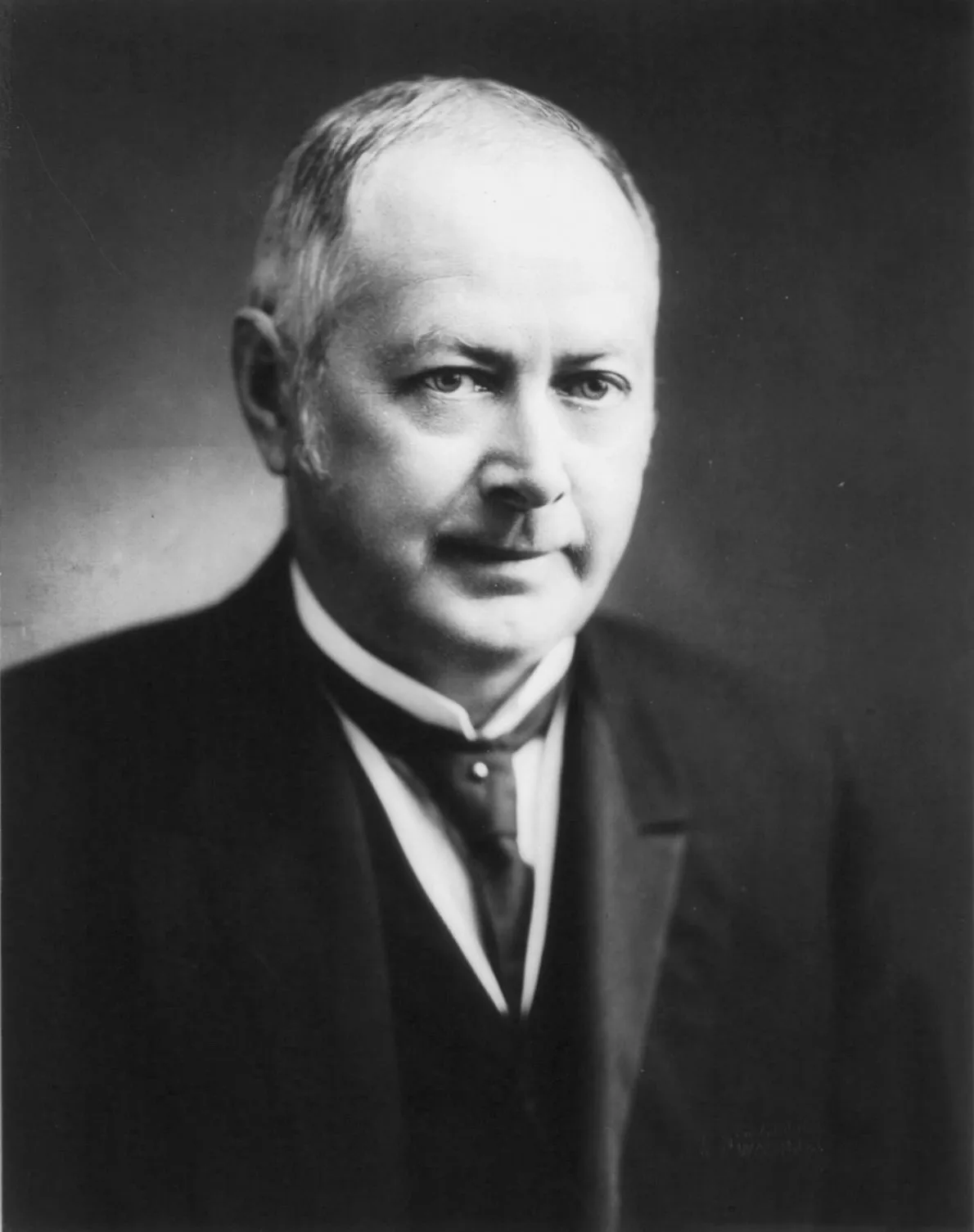 Photo: Albert Burleson, via uspresidentialhistory.com
The tipping point came when a family attempted to mail their six-year-old daughter from Florida to Virginia—a journey of several hundred miles that would have required multiple transfers and days of travel. The audacity of the request finally prompted official action.
The End of Human Mail
In June 1914, the Postal Service issued new regulations explicitly prohibiting the mailing of human beings, regardless of size, weight, or postage paid. The ruling was swift and decisive, ending one of the most creative solutions to rural transportation challenges in American history.
The regulation change disappointed many families who had come to depend on postal transportation for their children's education. Some communities petitioned to have the service restored, arguing that it was safer and more reliable than any alternative.
Legacy of America's Strangest School Bus
The brief era of human mail service represents a fascinating intersection of bureaucratic oversight and American ingenuity. For a few years, the most powerful government in the world was unknowingly operating a childcare service through its postal system, all because nobody thought to explicitly prohibit mailing people.
Today, the practice seems almost unthinkable, but it solved a real problem for real families. In an era before school buses, public transportation, or reliable roads, the postal service provided the only consistent connection between isolated communities and the wider world.
The children who traveled as human parcels grew up with stories that sound impossible but were simply the result of creative parents, dedicated postal workers, and a government regulation that nobody saw coming. Sometimes the most unbelievable solutions emerge from the most ordinary bureaucratic oversights.