When Colorado Decided to Ship Water by Train: The Desert Town That Built a Lake From Scratch
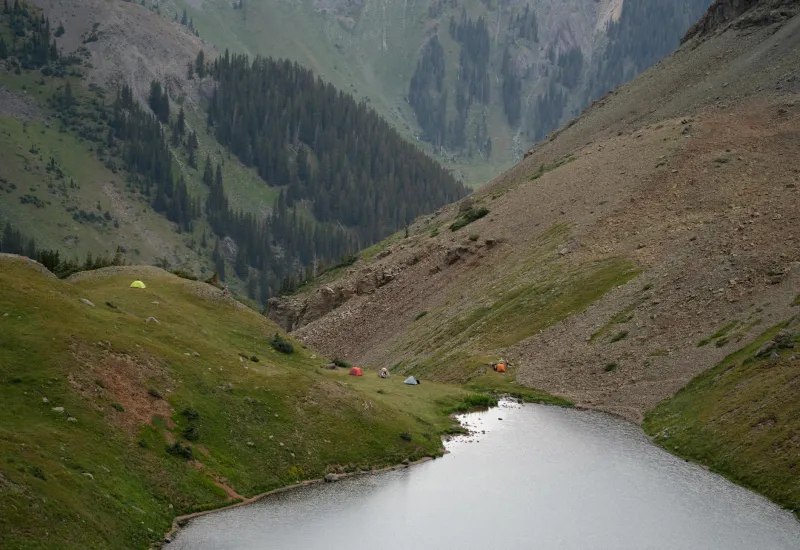
The Audacious Plan That Shouldn't Have Worked
Picture this: It's 1908, and you're living in Salida, Colorado, a dusty railroad town surrounded by mountains but without a decent swimming hole for miles. The nearest natural lake requires a full day's journey, and summer temperatures regularly hit triple digits. What do you do?
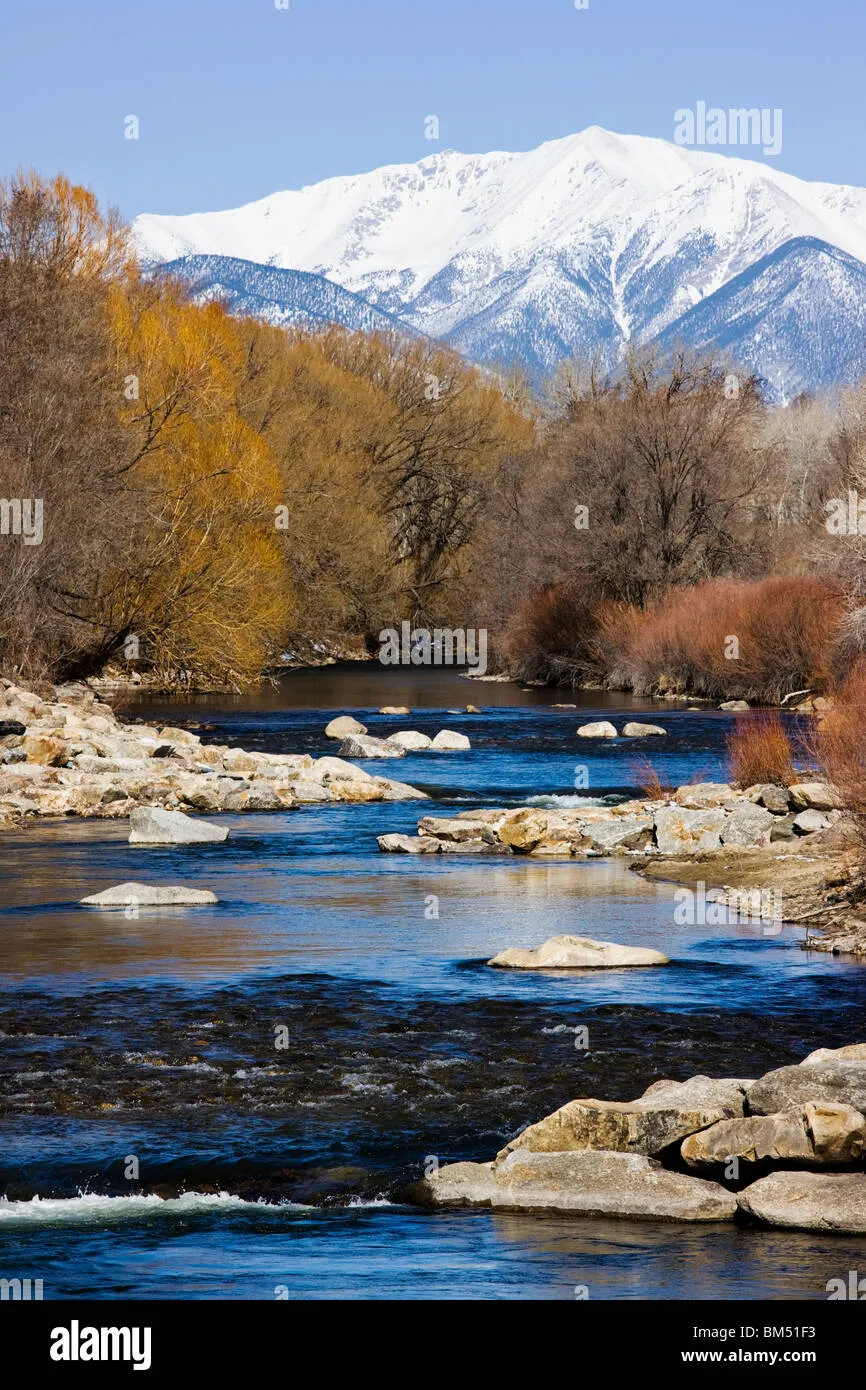 Photo: Salida, Colorado, via c8.alamy.com
If you're the enterprising citizens of Salida, you decide to build your own lake from scratch.
Not dig a pond. Not dam a creek. Build an actual lake by redirecting snowmelt from the Continental Divide through a network of hand-carved channels that would make Roman aqueduct engineers jealous.
Engineering Madness in the High Desert
The plan was breathtakingly simple and utterly insane. Salida sits at 7,000 feet elevation in a natural valley surrounded by 14,000-foot peaks. Every spring, millions of gallons of snowmelt rushed past the town toward the Arkansas River. The townspeople figured: why not keep some of that water for themselves?
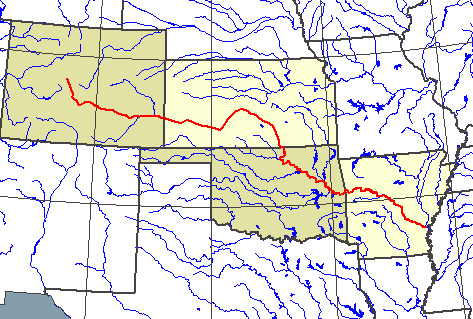 Photo: Arkansas River, via 2.bp.blogspot.com
Local businessman John Andrews convinced nearly 200 residents to invest their own money and labor in what newspapers would later call "the most ambitious civic water project west of the Mississippi." Using nothing but shovels, pickaxes, and sheer determination, volunteers began carving a series of diversion channels from Poncha Creek.
The engineering was entirely improvised. No one had formal training. They eyeballed the grade, guessed at water pressure, and hoped for the best. Local blacksmith Tom Morrison welded together a crude system of gates and spillways using railroad scrap metal.
The Lake That Filled Itself
By May 1909, their ramshackle system was ready for testing. When they opened the first diversion gate, muddy water began trickling into their excavated basin. Within three days, the trickle became a stream. Within two weeks, Salida had a lake.
Sort of.
The water was barely three feet deep and the color of chocolate milk, but it was wet and it was theirs. Local newspaper editor Frank Patterson wrote: "Our municipal lake may not rival Lake Geneva for beauty, but it beats anything else within 200 miles for pure determination."
Opening Day (With Two Feet of Water)
Here's where the story gets truly bizarre: before the lake was even waist-deep, Salida began advertising it as a tourist destination. The town printed brochures promoting "Colorado's Newest Alpine Lake Resort" and convinced the Denver & Rio Grande Railroad to add a special stop.
The first tourists arrived in June 1909 to find a muddy pond surrounded by sagebrush. But the water was surprisingly warm (heated by the desert sun), and desperate travelers from Denver and Colorado Springs didn't seem to mind the primitive conditions. The Salida Lake Resort featured a single wooden platform for diving and a "beach" made of imported sand from the Arkansas River.
By 1912, the lake had deepened to nearly eight feet and the water had cleared to a brilliant blue-green. Word spread through Colorado's emerging tourism industry, and Salida Lake became a legitimate destination.
The Science Behind the Miracle
What the amateur engineers of Salida accidentally created was a perfect high-altitude evaporation basin. The combination of elevation, dry air, and consistent snowmelt inflow created a self-regulating system. Water evaporated at exactly the rate needed to maintain steady depth without overflowing.
Geologist Dr. Sarah Chen from Colorado State University studied the lake in 2018 and concluded: "It's a hydrological accident that works better than most professionally designed reservoirs. The original builders stumbled onto principles we didn't formally understand until the 1960s."
Why It Still Exists Today
Salida Lake (now called Riverside Park Lake) remains a popular swimming spot more than a century later. The original diversion system, maintained by generations of volunteers, still functions exactly as designed. Modern engineering surveys confirm that the amateur builders achieved a nearly perfect grade for consistent water flow.
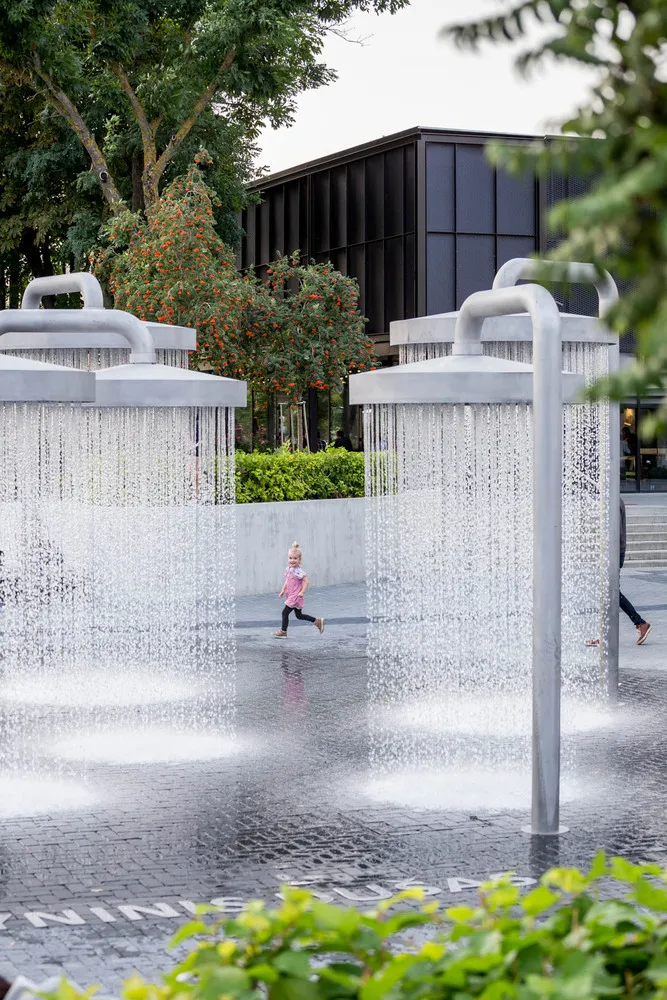 Photo: Riverside Park Lake, via i.pinimg.com
The lake has survived droughts, floods, and multiple attempts by state agencies to "improve" the system. Each time officials propose modifications, local resistance preserves the original design. As current mayor Janet Phillips puts it: "Why fix what's worked for 115 years?"
The Legacy of Impossible Ambition
Today, Salida Lake attracts over 50,000 visitors annually to swim in water that technically shouldn't exist. It's fed by a hand-dug channel system that violates several modern engineering principles but has never failed.
The story of Salida Lake proves that sometimes the most audacious plans succeed precisely because they're too crazy to fail. When 200 residents decided their desert town needed a lake, they didn't let physics, engineering expertise, or common sense stop them.
They just grabbed their shovels and got to work.