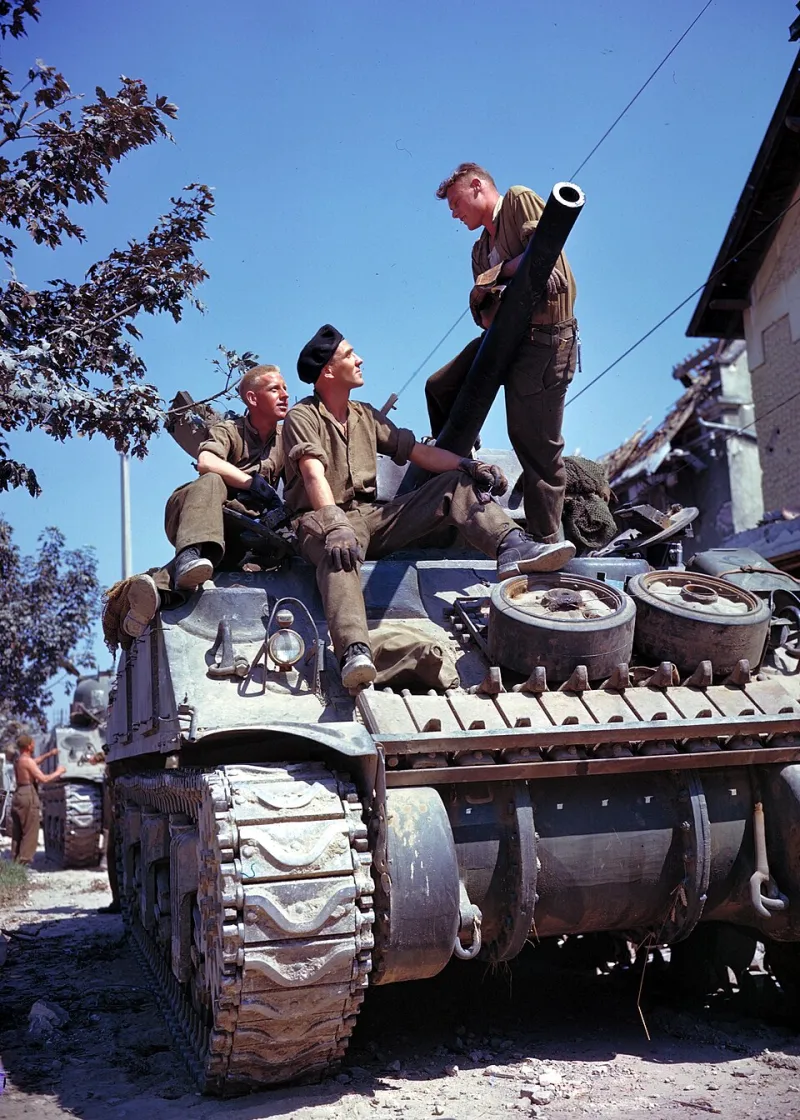
Freight Train to Freedom: The Confederate Soldier Who Shipped Himself to Safety in a Wooden Box
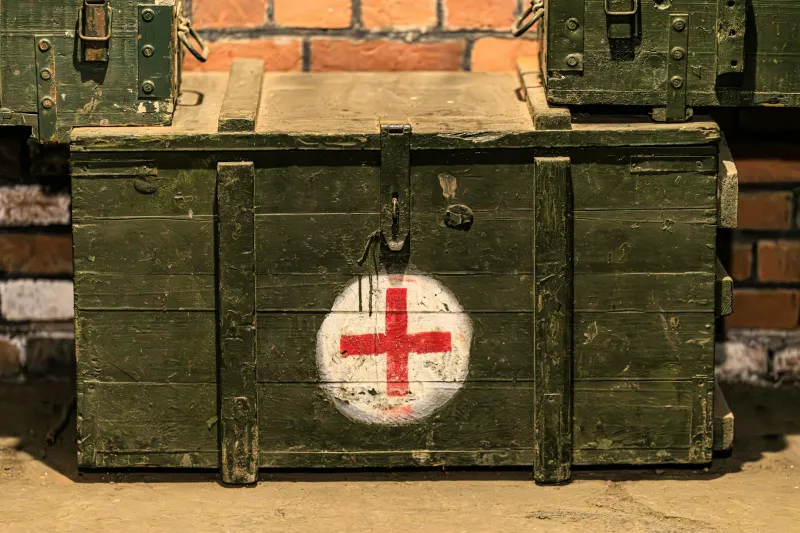
The Desperate Plan That Shouldn't Have Worked
In the spring of 1865, as the Civil War limped toward its conclusion, Private James Sullivan found himself in a Union prisoner-of-war camp near Baltimore with what seemed like an impossible problem. The 22-year-old Confederate soldier from rural Tennessee had been captured during the final Confederate retreat, and with Union forces controlling most transportation routes, getting home meant either waiting for an official prisoner exchange that might never come, or attempting an escape that could get him shot.
 Photo: James Sullivan, via conduitgallery.com
Sullivan chose a third option that sounds like something out of a tall tale: he would mail himself home.
Inside the Box
The plan required Sullivan to convince a sympathetic camp cook to help him construct a wooden shipping crate large enough to hold a grown man, but small enough to avoid suspicion. Working in secret over several nights, they built what appeared to be a standard freight container, complete with air holes disguised as nail punctures and a simple internal latch that would allow Sullivan to escape once he reached his destination.
On May 8, 1865, Sullivan climbed into his makeshift prison and had himself addressed to "J. Sullivan, General Delivery, Nashville, Tennessee." The cook loaded the crate onto a supply wagon bound for the Baltimore train depot, where it would join hundreds of other packages being shipped south as part of post-war reconstruction efforts.
 Photo: Nashville, Tennessee, via cdn.britannica.com
What happened next defied every reasonable expectation about 19th-century logistics and human endurance.
Three Days in Transit Hell
Sullivan's journey began normally enough. The crate was loaded onto a freight car without incident, and for the first few hours, everything went according to plan. But somewhere outside Washington D.C., the train made an unscheduled stop that stretched from hours into days.
Trapped in his wooden prison, Sullivan endured three days without food or water while his crate sat in a rail yard, subject to the full heat of a late spring sun. Railroad workers occasionally moved cargo around him, completely unaware that one of their packages contained a living, breathing Confederate soldier slowly dying of dehydration.
By the time the train finally resumed its journey toward Nashville, Sullivan was barely conscious. He later described hallucinations of his childhood home and conversations with family members who couldn't possibly have been there.
The Miracle of Mail Delivery
Against all odds, Sullivan's crate arrived at the Nashville depot on May 11th, where postal workers dutifully loaded it onto a delivery wagon bound for the general delivery office. When the wagon reached its destination, workers noticed something unusual: the crate was making noise.
Investigation revealed a barely conscious Confederate soldier who had successfully traveled nearly 400 miles through enemy territory using nothing but the U.S. postal system and an incredible amount of luck. Sullivan was immediately taken to a local doctor, who later marveled that the young man had survived what should have been a fatal combination of dehydration, heat exposure, and carbon dioxide poisoning.
Why History Forgot
Sullivan's story might have become as famous as Henry 'Box' Brown's earlier escape from slavery, but several factors conspired to bury it in historical obscurity. First, the timing couldn't have been worse – with the war ending and Lincoln's assassination dominating headlines, one soldier's creative escape attempt barely registered with contemporary newspapers.
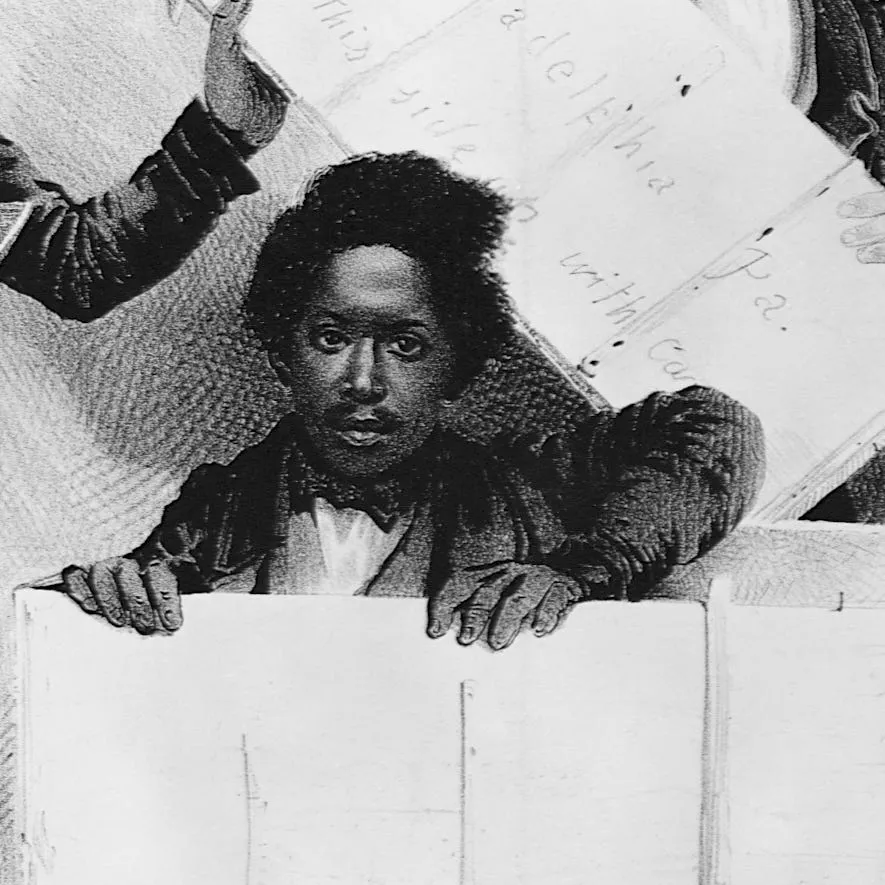 Photo: Henry 'Box' Brown, via hips.hearstapps.com
Second, Sullivan himself had little interest in publicity. Unlike Brown, who became an abolitionist speaker and made his escape a central part of his public identity, Sullivan simply wanted to return to his farm and forget the war entirely. He rarely spoke about his experience, even to family members.
Finally, the story challenged convenient narratives about the war's end. Union authorities had no interest in publicizing how easily their prisoner-of-war system could be circumvented, while Confederate sympathizers found little propaganda value in a story that relied entirely on Union infrastructure and personnel.
The Logistics of the Impossible
What makes Sullivan's escape particularly remarkable isn't just the physical endurance it required, but the sheer number of things that had to go right for it to succeed. The crate had to be large enough to hold a man but small enough to avoid suspicion. The air holes had to provide enough oxygen without being obvious. The train had to reach its destination despite wartime disruptions. Postal workers had to handle the package normally despite its unusual weight and occasional sounds.
Each of these elements represented a potential point of failure that could have resulted in Sullivan's death or capture. That all of them aligned perfectly suggests either incredible planning or incredible luck – and probably both.
A Different Kind of Underground Railroad
Sullivan's escape represents a unique chapter in the long history of Americans using creative methods to circumvent official restrictions on movement. While the Underground Railroad helped enslaved people escape to freedom, Sullivan essentially created a one-man postal railroad that carried him from captivity back to his homeland.
The irony wasn't lost on contemporary observers who learned about the story: a Confederate soldier had used Union infrastructure and Union personnel to defeat Union security measures, all while remaining technically within the bounds of federal postal regulations.
The Rest of the Story
Sullivan recovered fully from his ordeal and returned to farming in Tennessee, where he lived quietly until his death in 1923. His family preserved a few details of his escape, but the full story didn't emerge until a local historian discovered correspondence between Sullivan and the camp cook who had helped him, letters that surfaced in a Baltimore estate sale in the 1970s.
Today, Sullivan's escape stands as a testament to human ingenuity under pressure and the occasionally absurd realities of war. In a conflict that killed over 600,000 Americans, one young soldier managed to turn the postal service into his personal freedom express – and somehow lived to tell about it.