Two Weeks on the Wrong Island: The WWII Invasion That Conquered Empty Paradise
The Invasion That Nobody Expected
Picture this: 300 heavily armed American soldiers charging onto a pristine Pacific beach, ready for fierce combat with entrenched Japanese forces. They establish defensive positions, dig foxholes, set up communication lines, and wait for the inevitable counterattack. Days pass. Then weeks. The counterattack never comes, because the enemy has no idea they're even there.
This wasn't a movie plot or a military exercise gone wrong. This was Operation Coconut Shell, one of World War II's most embarrassing navigational failures, where an entire invasion force spent two weeks fortifying the wrong island while their actual target sat peacefully just eight miles away.
When Maps Become Enemies
The Pacific Theater of World War II was a cartographer's nightmare. Thousands of tiny islands dotted the vast ocean, many barely large enough to appear on maps, others misnamed or mislocated by decades of conflicting surveys. In early 1943, Allied forces were island-hopping across the Pacific, seizing strategic positions from Japanese defenders in a carefully choreographed advance toward Japan.
The target for Operation Coconut Shell was supposed to be Kiska Island, a small but strategically important outpost in the Aleutian chain. Intelligence reports indicated the island was heavily fortified with approximately 500 Japanese defenders, anti-aircraft guns, and coastal artillery. The mission was straightforward: land, eliminate resistance, secure the airfield.
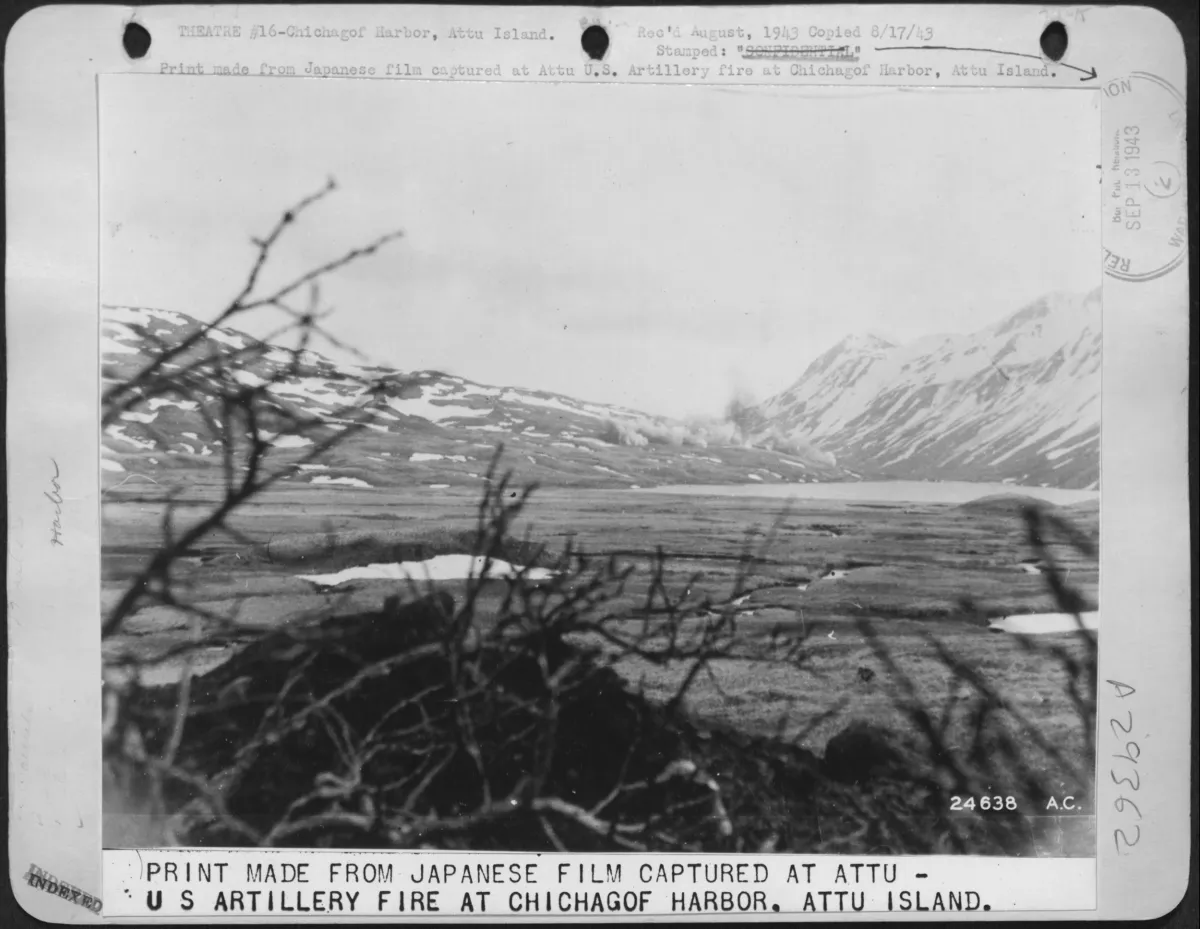 Photo: Kiska Island, via images.squarespace-cdn.com
What military planners didn't account for was that their maps were wrong—not just slightly inaccurate, but completely wrong about which island was which.
The Landing That Went Too Well
Lieutenant Colonel James Morrison led the assault force aboard three destroyers converted for amphibious operations. As they approached what they believed to be Kiska Island in the pre-dawn darkness of March 15, 1943, everything seemed to be going according to plan.
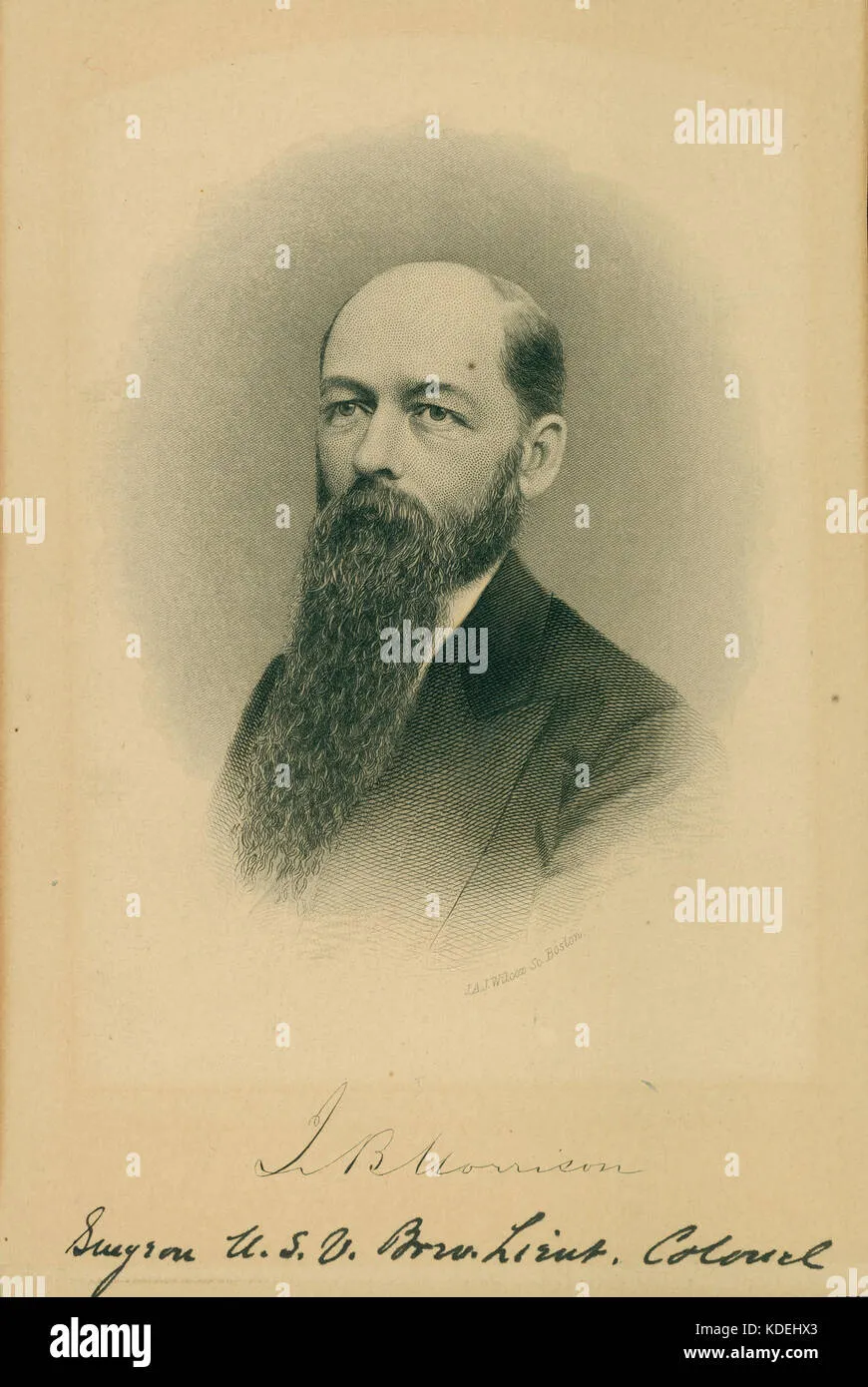 Photo: Lieutenant Colonel James Morrison, via c8.alamy.com
The landing was suspiciously easy. No coastal artillery opened fire as they approached. No machine gun nests raked the beaches as they stormed ashore. No Japanese soldiers emerged from hidden bunkers to repel the invasion. Instead, the American forces encountered pristine beaches, undisturbed jungle, and an eerie silence that should have been their first clue something was wrong.
"It was the most successful amphibious assault in military history," Morrison would later write in his after-action report, "because there was absolutely nobody there to assault."
Two Weeks in Paradise
The soldiers quickly established a defensive perimeter, assuming the lack of immediate resistance meant Japanese forces were regrouping for a counterattack. They dug in, set up communication equipment, and began daily patrols to locate enemy positions.
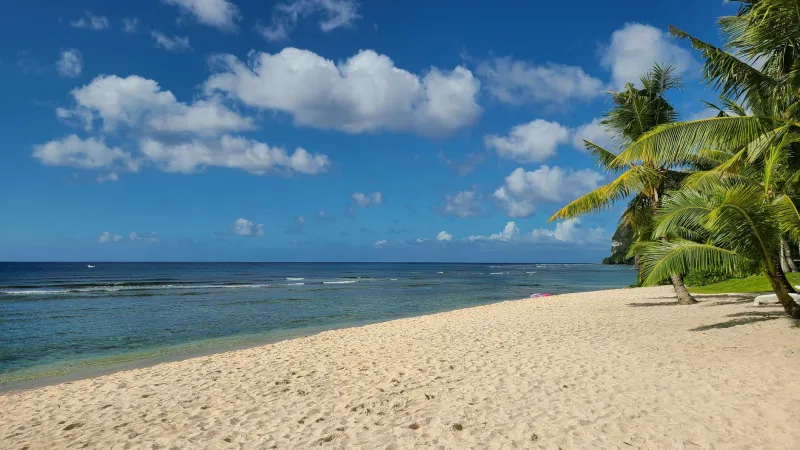
What they found instead was an island paradise that had never seen military action. Crystal-clear streams provided fresh water. Fruit trees offered abundant food. The weather was perfect, the beaches pristine, and the only living creatures were seabirds and crabs.
For two weeks, 300 American soldiers lived in what amounted to a tropical vacation, all while maintaining combat readiness for an enemy that existed only in their imagination.
The Radio Silence Mystery
Meanwhile, back at Pacific Fleet headquarters, Operation Coconut Shell had seemingly vanished. Regular radio check-ins from Morrison's force had stopped after the landing, which wasn't entirely unusual given the communication challenges of remote Pacific operations. But as days stretched into weeks, concern began mounting.
Attempts to reestablish contact failed repeatedly. Reconnaissance flights couldn't locate the invasion force. Search and rescue operations found no trace of the missing soldiers. For all intents and purposes, 300 American military personnel had simply disappeared into the Pacific.
The truth was simpler but more embarrassing: Morrison's radio operator was dutifully sending regular reports, but he was broadcasting on the wrong frequency to the wrong command center, because they weren't where they thought they were.
The Real Kiska Island
Eight miles away, the actual Kiska Island remained under Japanese control, its defenders completely unaware that an American invasion force was supposedly targeting them. Japanese soldiers went about their daily routines, maintained their equipment, and wondered why Allied reconnaissance flights seemed to be focusing on empty ocean to their southeast.
The real Kiska garrison was indeed heavily fortified, exactly as intelligence reports had indicated. They had coastal guns, anti-aircraft batteries, and approximately 500 defenders ready to repel any invasion. They were prepared for everything except an enemy that would never arrive.
The Discovery
The mix-up was finally discovered when a routine patrol flight spotted Morrison's camp during a broader search for the missing invasion force. The pilot's radio call back to headquarters was reportedly unprintable, but the message was clear: the invasion force was alive, well, and sitting on the wrong island.
A hastily organized extraction mission brought Morrison and his men back to the fleet, where they faced the uncomfortable task of explaining how 300 combat-trained soldiers had spent two weeks camping on an uninhabited island while their actual target remained in enemy hands.
The Cover-Up
Operation Coconut Shell was quietly buried in classified files, with after-action reports emphasizing "navigational challenges" and "communication difficulties" rather than the more accurate "we invaded the wrong island and nobody noticed for two weeks."
The real Kiska Island was eventually taken in a properly planned operation several months later, though by that time, Japanese forces had already evacuated the position. The soldiers who participated in the original mission were sworn to secrecy, and most took the story to their graves.
Lessons from Paradise
The incident highlighted critical flaws in Pacific Theater navigation and communication systems. New protocols were established for confirming target locations, and radio communication procedures were overhauled to prevent similar mix-ups.
But perhaps the most remarkable aspect of Operation Coconut Shell wasn't the military failure—it was the fact that 300 soldiers maintained combat discipline and readiness for two weeks while essentially on an all-expenses-paid tropical vacation. They remained prepared for battle even as they were living in paradise, a testament to military training that prepared them for everything except the possibility that the enemy might not exist.
Sometimes the most unbelievable military stories aren't about heroic victories or tragic defeats, but about the surreal moments when war becomes an accidental camping trip on the world's most beautiful beach.