Gold Medal by Car Ride: The 1904 Olympic Marathon Winner Who Forgot to Mention He Didn't Actually Run
The Olympics That America Wasn't Ready to Host
The 1904 Summer Olympics in St. Louis were supposed to showcase America's emergence as a global power. Instead, they became a masterclass in how not to organize international athletic competition.
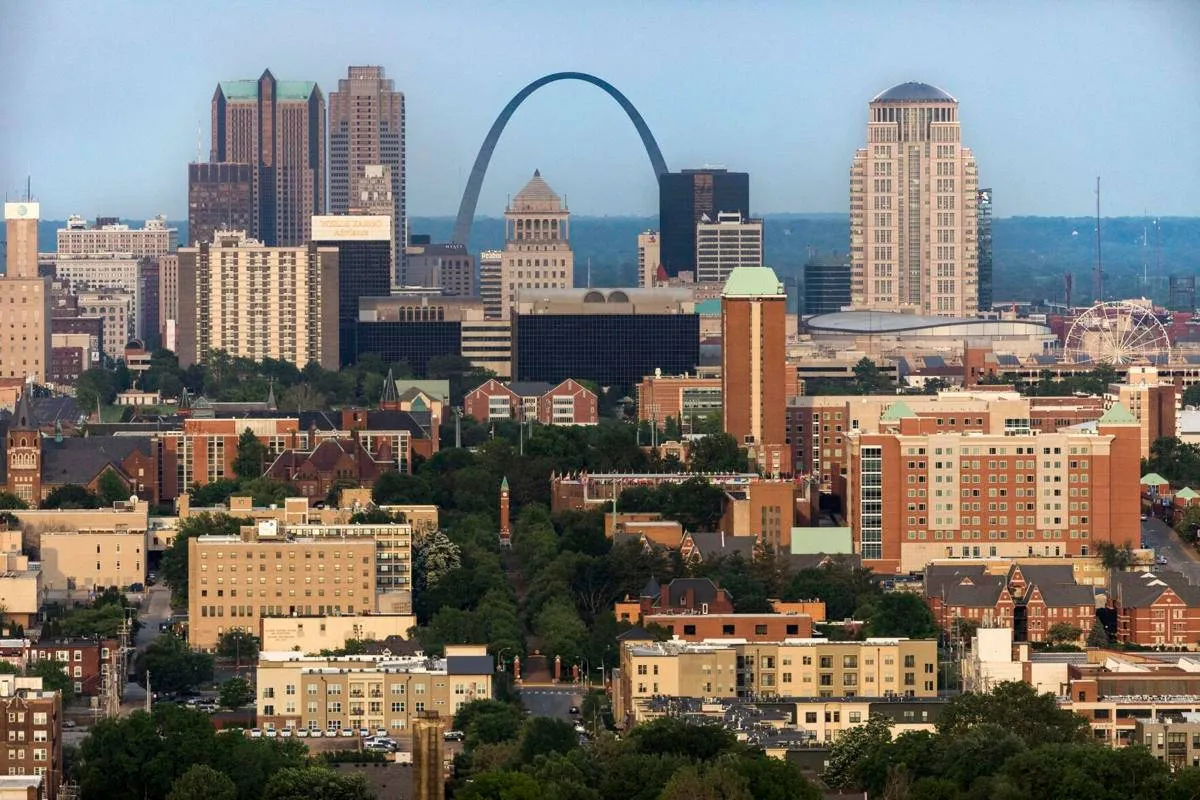 Photo: St. Louis, via wallpapers.com
The marathon, scheduled for August 30th, epitomized everything wrong with these Games. Officials planned a 24.85-mile course through dusty roads in 90-degree heat with 90% humidity. They provided exactly two water stations for 32 runners. Most competitors had never run more than 10 miles in their lives.
What happened next sounds like a comedy sketch, except it was the actual Olympic Games.
The Race That Became a Disaster Movie
At 3:03 PM, 32 men lined up at Francis Field. The temperature had climbed to 90 degrees, and dust clouds from passing carriages made breathing difficult. Within the first mile, several runners were already walking.
Fred Lorz, a 24-year-old bricklayer from New York, started conservatively. He'd trained by running after work in street clothes and had never competed in weather this brutal. By mile 9, he was struggling badly.
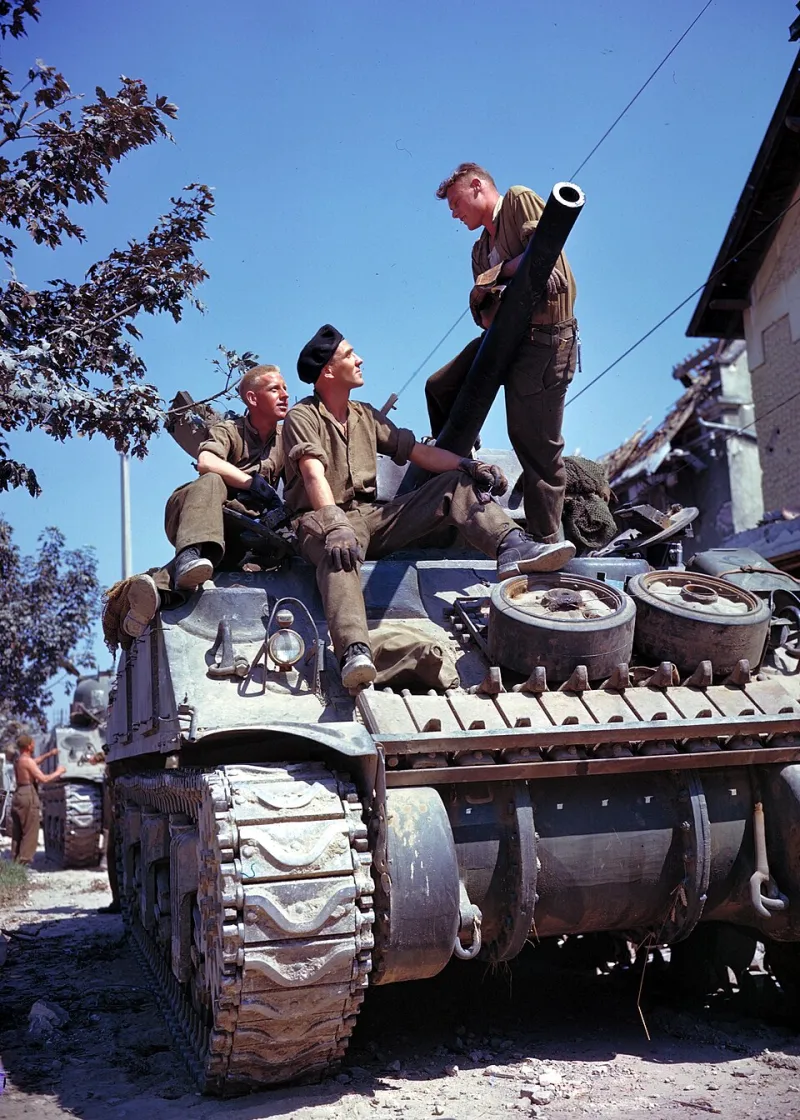
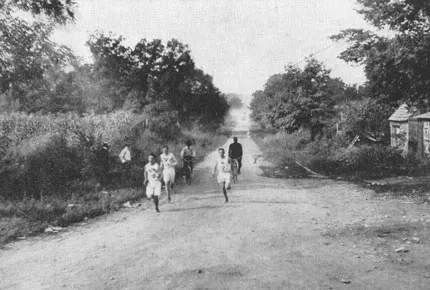 Photo: Fred Lorz, via lavoceditalia.com
That's when William Garcia, running ahead of Lorz, collapsed from heat exhaustion and nearly died. As medical officials rushed to help Garcia, Lorz made a decision that would make Olympic history for all the wrong reasons.
He flagged down a passing automobile.
The Eleven-Mile Joy Ride
The car belonged to race official Charles Lucas, who was driving the course to check on runners. When Lorz explained he was overheated and cramping, Lucas offered him a ride to cool down. Lorz gratefully climbed into the passenger seat.
For eleven miles, Lorz rode in air-conditioned comfort while his competitors suffered through the worst conditions in Olympic marathon history. He waved at spectators, chatted with Lucas, and watched other runners struggle along the dusty road.
At mile 20, Lucas's car broke down. Lorz, feeling refreshed after his automotive rest period, decided to get out and jog the final four miles to the finish.
The Accidental Champion
Lorz arrived at Francis Field looking remarkably fresh for someone who had supposedly just run 24 miles in brutal heat. He crossed the finish line to thunderous applause, accepted congratulations from officials, and received his gold medal from Alice Roosevelt, President Theodore Roosevelt's daughter.
Photographs show Lorz grinning broadly while Alice Roosevelt places the medal around his neck. He appears barely winded, his running clothes surprisingly clean for someone who had just completed the most grueling race in Olympic history.
Meanwhile, the actual race was still unfolding behind him.
The Real Winner's Nightmare Journey
Thomas Hicks, a brass worker from Massachusetts, was actually leading the race. But Hicks was dying.
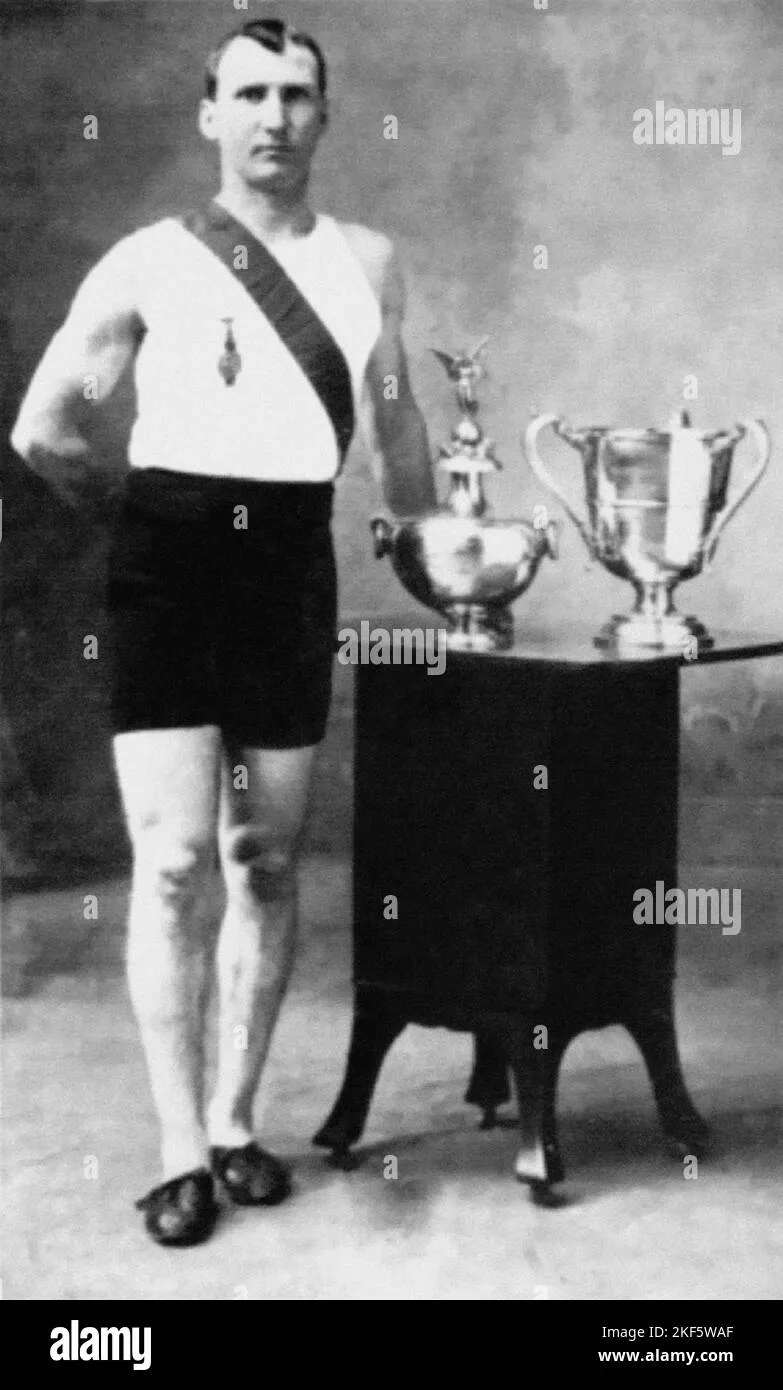 Photo: Thomas Hicks, via c8.alamy.com
By mile 15, he was hallucinating from dehydration. His handlers gave him strychnine (yes, rat poison) mixed with brandy, believing it would provide energy. At mile 20, they fed him more strychnine and raw egg whites.
Hicks staggered into the stadium 17 minutes after Lorz, supported by two handlers, barely conscious. He had lost eight pounds during the race and required immediate medical attention.
The Truth Emerges
As Hicks was being treated for near-fatal poisoning, someone asked Lorz about his remarkably fresh appearance. Perhaps feeling guilty, or maybe just caught up in the moment, Lorz casually mentioned his "brief car ride" to cool down.
The confession sent Olympic officials into panic mode. They quickly stripped Lorz of his medal and awarded it to the barely-alive Hicks. But the damage was done — newspapers worldwide had already reported Lorz as the winner, complete with photographs of his medal ceremony.
The Aftermath That Nobody Expected
Here's where the story gets even stranger: Lorz claimed the whole thing was a practical joke. He insisted he never intended to accept the medal and was just having fun with the situation. Officials weren't amused and banned him from amateur competition for life.
But the Amateur Athletic Union lifted his ban just one year later after Lorz's heartfelt apology. In 1905, he won the Boston Marathon legitimately, proving he was actually a capable distance runner when he wasn't taking automotive shortcuts.
The Olympics That History Forgot
The 1904 St. Louis Olympics were so disastrous that the International Olympic Committee nearly canceled the Games permanently. Of the 32 marathon starters, only 14 finished. Several required hospitalization. One runner was chased off course by wild dogs.
Lorz's automotive adventure became a symbol of everything wrong with America's first Olympic hosting attempt. European newspapers mocked the "American efficiency" that allowed a car-riding competitor to receive a gold medal from the President's daughter.
The Legacy of Olympic Chaos
Today, Fred Lorz is remembered as either Olympic history's most brazen cheater or its most harmless prankster, depending on your perspective. His eleven-mile car ride remains the most creative rule violation in Olympic history.
The 1904 marathon led to major reforms in Olympic organization, including mandatory medical stations, weather monitoring, and strict anti-cheating protocols. Modern marathoners owe their safety standards to the disaster that was St. Louis.
Lorz's story proves that sometimes the most memorable Olympic moments happen not because of athletic greatness, but because someone had the audacity to turn a footrace into a car ride — and almost get away with it.