America's Most Wanted Became America's Most Trusted: The Con Man the FBI Couldn't Beat, So They Hired
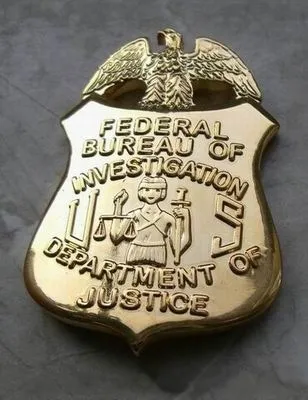
Photo: Tim Gudenrath, CC BY-SA 3.0, via Wikimedia Commons
America's Most Wanted Became America's Most Trusted: The Con Man the FBI Couldn't Beat, So They Hired
There's a particular brand of institutional humility required to look at the person who just made you look foolish and say, "We need you on our side." Most organizations can't manage it. The FBI, to its considerable credit, managed it — and in doing so, accidentally created one of the more paradoxical careers in American law enforcement history.
Frank Abagnale didn't just commit fraud. He committed fraud with a kind of theatrical commitment that left the people trying to catch him genuinely impressed against their will. By the time he was finally apprehended in France in 1969, he had successfully impersonated a Pan Am airline pilot, a Georgia doctor, a Louisiana attorney, and a federal agent — and had passed an estimated $2.5 million in fraudulent checks across 26 countries. He was 21 years old when the scheme began. He was 26 when it ended.
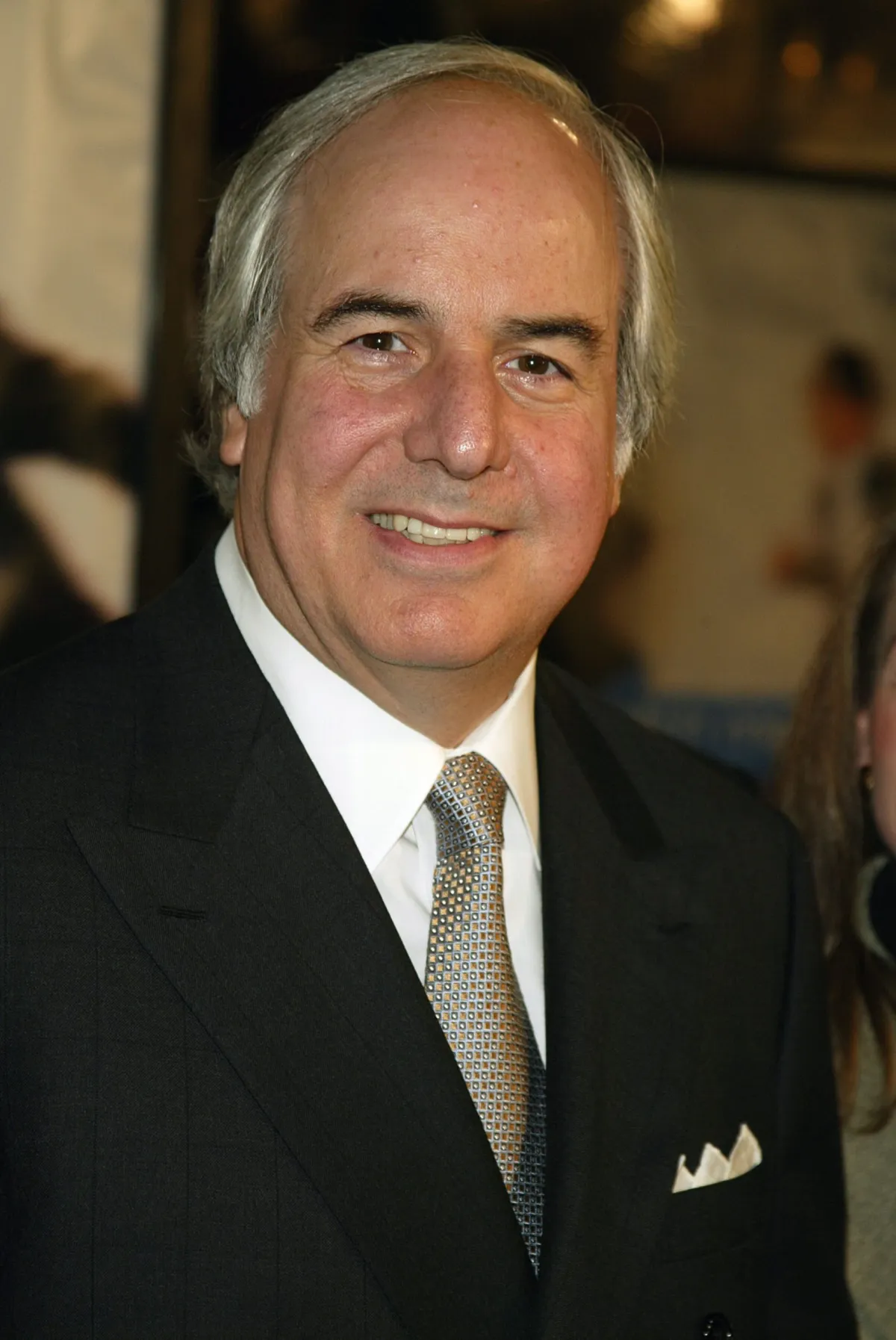 Photo: Frank Abagnale, via luxlux.net
The story of what happened after his arrest is the part that nobody saw coming.
The Crimes That Built a Curriculum
Abagnale's methods were, in retrospect, almost elegantly simple. He understood something that most people don't think about consciously: we extend trust not to individuals but to symbols. A uniform, a title, a confident demeanor, a piece of paper with the right letterhead — these things do an enormous amount of social work before anyone thinks to verify the person behind them.
He printed his own payroll checks. He altered the magnetic ink coding on personal checks so that deposits routed to his own account. He obtained fake credentials through a combination of social engineering and document forgery that, in the pre-digital era, was genuinely difficult to detect. Banks, hospitals, and law firms all accepted him at face value because he presented the right signals of legitimacy and nobody thought to look harder.
This is the thing about con artistry that law enforcement found so difficult to prosecute effectively: the victims often didn't know they were victims for months or years. By the time the fraud was discovered, Abagnale was somewhere else, under a different name, with a different set of credentials.
From Federal Prisoner to Federal Employee
Abagnale served time in France, Sweden, and the United States after his arrest. His US sentence was 12 years; he served less than five before being released under an unusual arrangement. The terms of his early release required him to work with federal law enforcement — without pay initially — helping agents understand how check fraud and document forgery actually operated from the inside.
This was not a common arrangement in 1974. The idea of turning a convicted fraudster into a government consultant was the kind of thing that required someone in a position of authority to make a genuinely unconventional call. The reasoning, however, was straightforward even if the decision wasn't: Abagnale knew things that nobody in law enforcement knew, because he had learned them by doing them. No training manual covered what he covered. No academic criminologist had his specific practical knowledge.
What started as a condition of release became a career. Abagnale went on to work as a fraud consultant for the FBI for decades, eventually charging financial institutions and corporations for the same expertise the government had initially extracted for free. He founded a fraud consulting firm, lectured at FBI academies, and became one of the most cited authorities on check fraud and document security in the country.
The man who had forged his way through the American financial system was now the person American financial institutions called when they wanted to know how to stop people like him.
The Paradox the System Built
There's something almost philosophically interesting about what the FBI's decision implies. When you hire the fraudster to teach fraud prevention, you're essentially acknowledging that the conventional pipeline — the academies, the credentials, the formal training — couldn't produce what experience had. The system that Abagnale had spent years exploiting was, in the end, the same system that validated him.
It also raises a question that nobody in law enforcement loves to sit with: how many other people with Abagnale's specific kind of knowledge are sitting in federal prisons right now, and what would happen if someone made the same unconventional call?
Abagnale's story was adapted into the 2002 Steven Spielberg film Catch Me If You Can, with Leonardo DiCaprio playing Abagnale and Tom Hanks as the FBI agent pursuing him. The film brought his story to a mass audience and burnished the legend considerably. It's worth noting that some researchers and journalists have questioned the extent of certain claims Abagnale has made about his criminal career over the years — the line between verified record and embellished memoir gets blurry when the source is a professional in the art of making things seem more than they are.
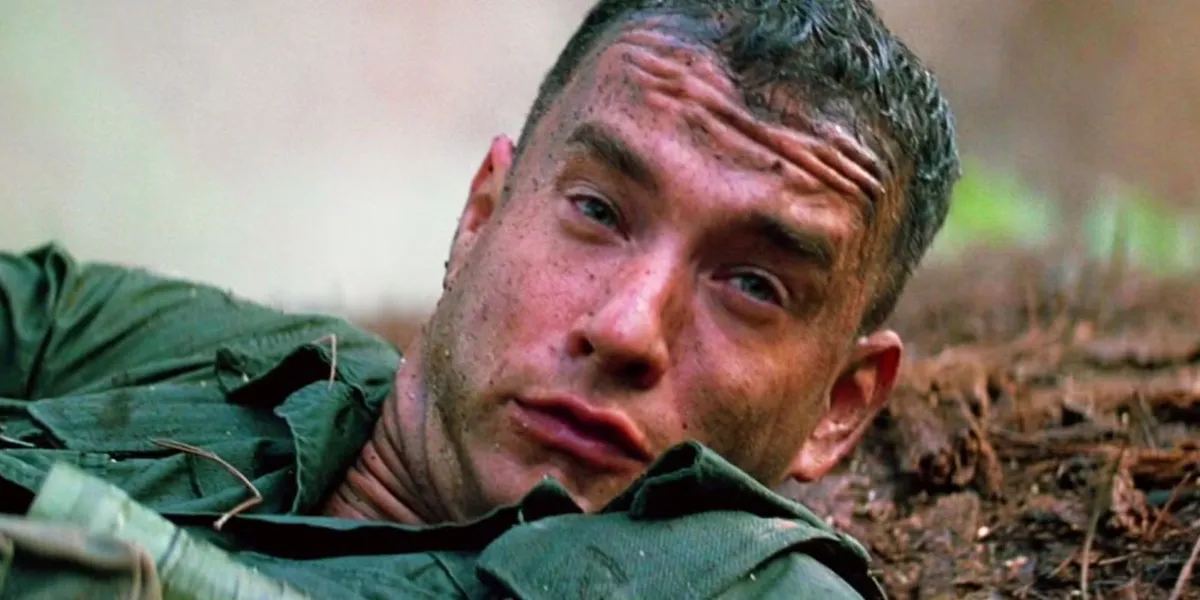 Photo: Tom Hanks, via static1.srcdn.com
 Photo: Leonardo DiCaprio, via www.afterbuzztv.com
But the core of the story — the crimes, the capture, the extraordinary pivot to government consultant — is documented. The FBI hired him. Financial institutions paid him. The man who couldn't be trusted became, institutionally speaking, one of the most trusted voices in his field.
What It Says About How We Fight Fraud
Abagnale's career arc reveals something uncomfortable about how expertise actually works. The most dangerous fraudsters aren't dangerous because they're geniuses. They're dangerous because they understand human behavior — the shortcuts people take, the signals they trust without verifying, the moments when vigilance drops. That kind of understanding doesn't come from textbooks.
The FBI figured that out the hard way. And then, in a move that sounds like the setup to a joke but was entirely serious, they handed the problem back to the person who created it.
Sometimes the most logical solution to a problem is the one that looks most absurd on paper — right up until it works.