The Copper Mine That Became a Tourist Magnet: How an Industrial Disaster Turned Into Arizona's Most Photographed Lake
The Hole That Became a Destination
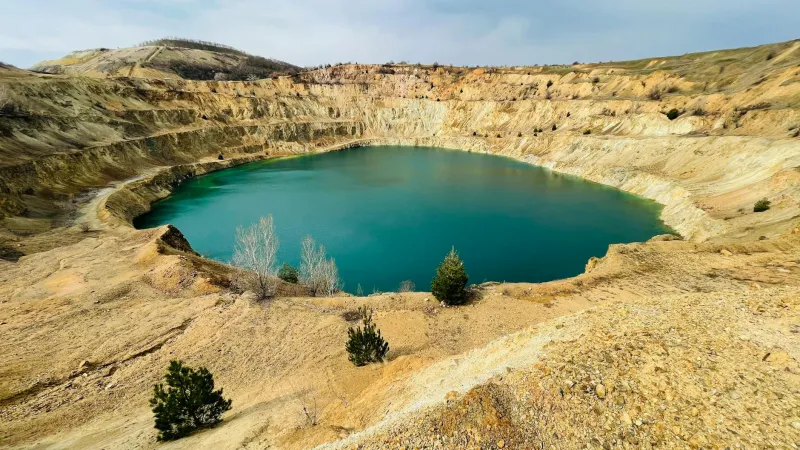
Driving through the Arizona desert on Highway 89A, you'll encounter one of the most surreal sights in the American Southwest: a perfectly circular lake of brilliant turquoise water sitting in what appears to be a giant crater carved into red rock cliffs.
This is the Berkeley Pit, though most visitors know it simply as "that incredible blue lake near Jerome." What they don't know is that this stunning natural wonder is actually an abandoned copper mine that accidentally created one of Arizona's most visited attractions.
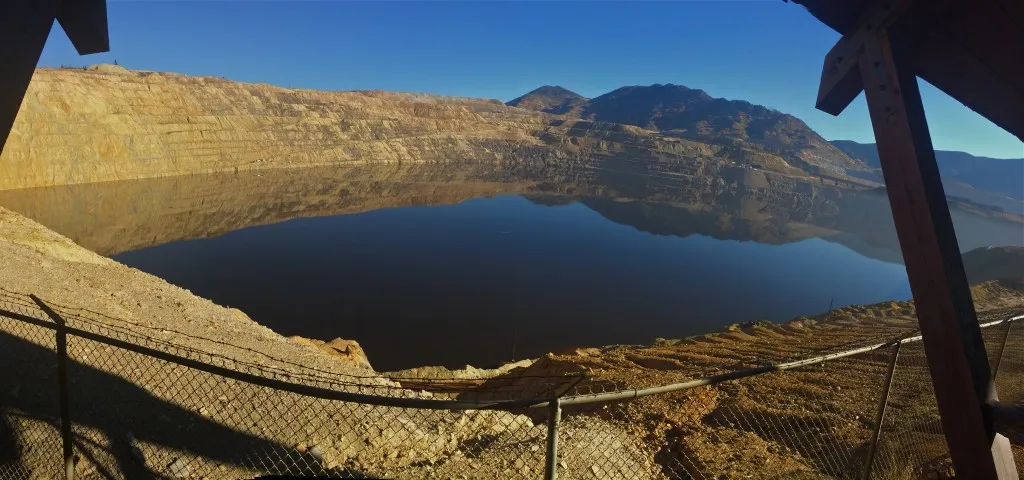 Photo: Berkeley Pit, via nationalenvironmentalpro.com
The lake exists purely by accident, draws hundreds of thousands of tourists annually, and showcases chemistry so unusual that scientists are still studying why the water maintains such an otherworldly color.
When Copper Mining Built a Mountain Town
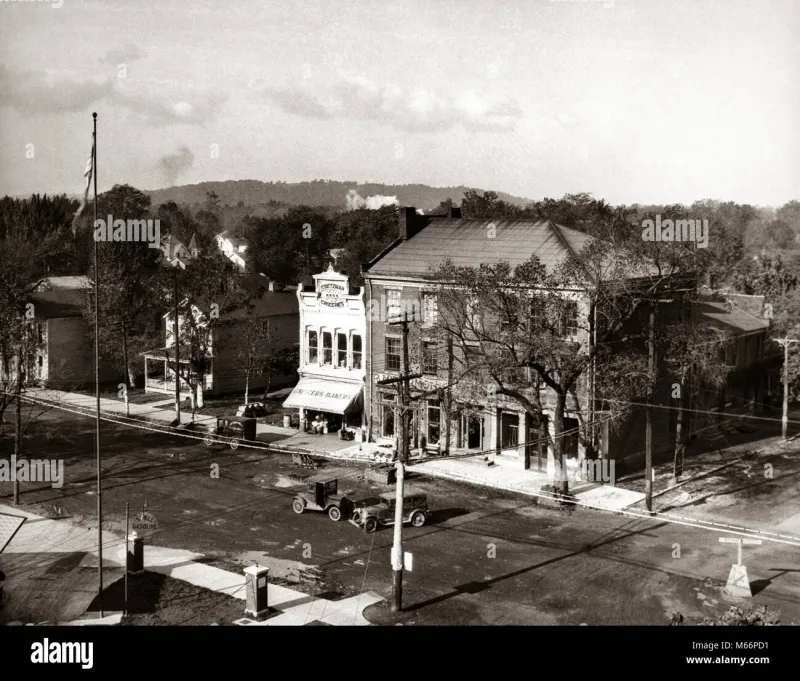
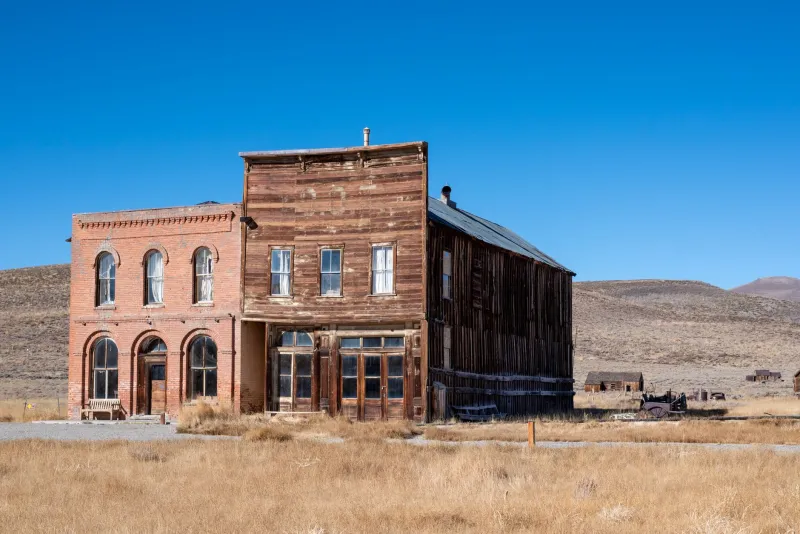
Jerome, Arizona was once the fourth-largest city in the state, built entirely around the massive copper deposits discovered in the late 1800s. The Phelps Dodge Corporation operated an open-pit mine that employed over 3,000 people and produced millions of pounds of copper annually.
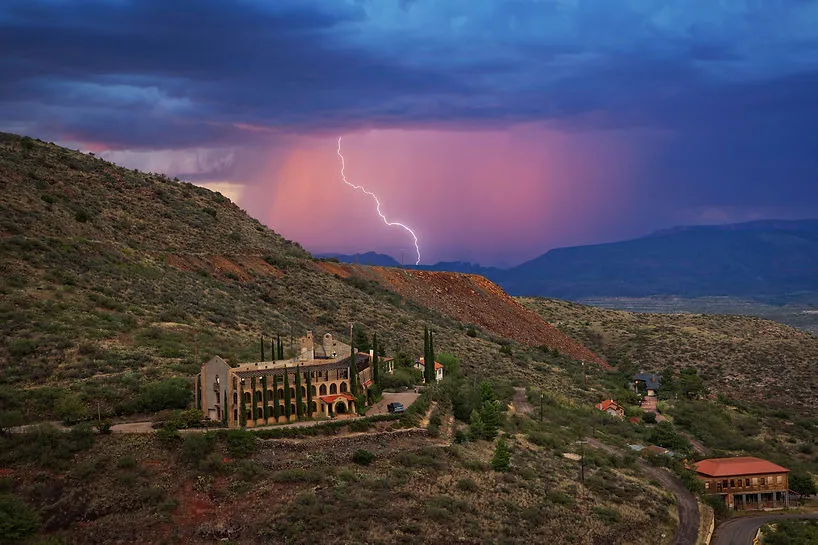 Photo: Jerome, Arizona, via static.wixstatic.com
By 1953, however, the easily accessible copper had been exhausted. Phelps Dodge made the economic decision to abandon the operation, leaving behind a crater 1,780 feet long, 1,600 feet wide, and 1,780 feet deep — roughly the size of 40 football fields and deeper than the Empire State Building is tall.
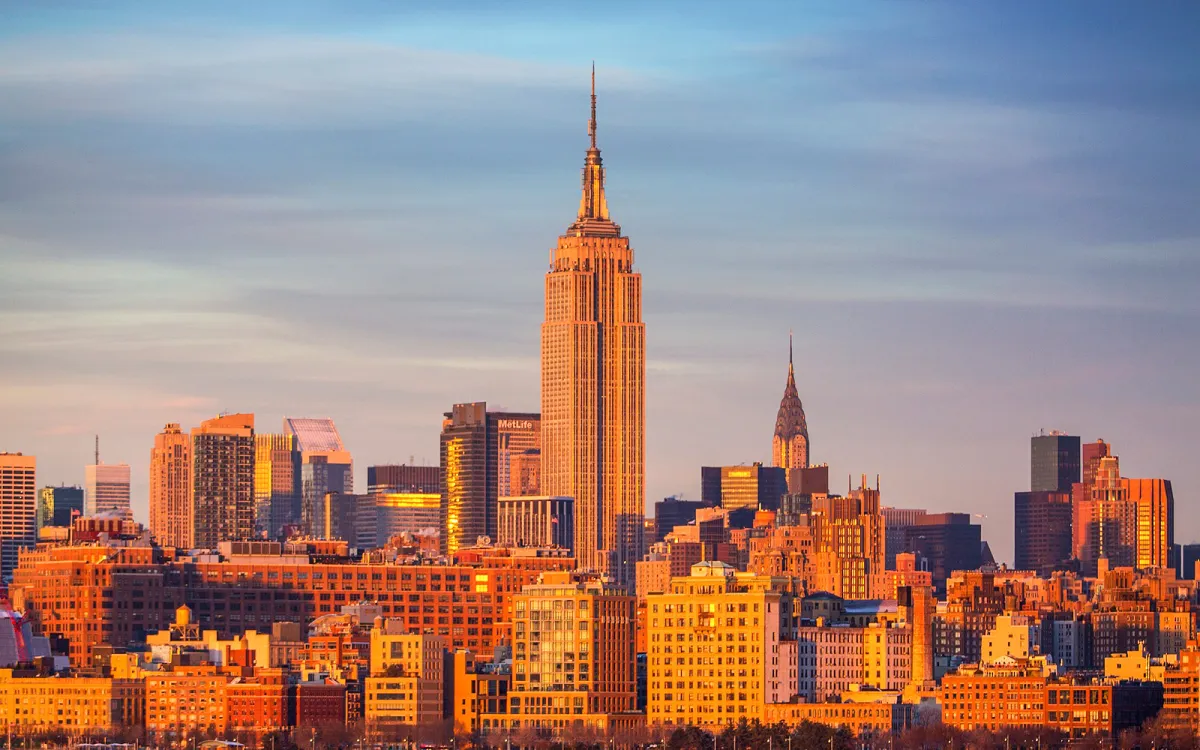 Photo: Empire State Building, via cdn-imgix.headout.com
The company's cleanup plan was simple: fence off the area and let nature reclaim it. Nobody anticipated what nature had in mind.
The Slow-Motion Miracle
Within months of the mine's closure, something unexpected began happening. Groundwater, no longer being pumped out by mining equipment, started seeping back into the massive hole. The rate was incredibly slow — about one foot per year — but consistent.
By 1960, a small pond had formed at the bottom of the crater. By 1970, it was a respectable lake. By 1990, the water had reached a depth of over 900 feet, creating what geologists call a "terminal lake" — water with no outlet that concentrates minerals through evaporation.
The Chemistry That Defies Explanation
Here's where the story becomes genuinely strange: the water turned an electric shade of turquoise that seems almost artificial. The color is so vivid and consistent that many visitors assume it's been chemically treated.
Dr. Michael McKibben from UC Riverside has studied the Berkeley Pit for over two decades. His research reveals that the lake's color comes from an incredibly rare combination of dissolved copper sulfates, iron compounds, and microscopic algae that thrive in the highly acidic water.
"The pH is around 2.5, which is more acidic than lemon juice," McKibben explains. "Most life forms can't survive in this environment, but the few that can produce pigments that interact with the dissolved metals to create that impossible blue-green color."
The water contains over 340 parts per million of dissolved copper — high enough to be toxic to most organisms but not high enough to kill the specialized bacteria that give the lake its signature hue.
The Tourist Boom Nobody Planned
By the 1980s, word had spread about the mysterious blue lake in the Arizona desert. Photographers began making pilgrimages to capture the surreal sight. Travel magazines featured it as a "hidden gem." Social media transformed it into a must-see destination.
Today, the Berkeley Pit attracts over 300,000 visitors annually, making it one of Arizona's top tourist attractions. The irony is profound: an environmental disaster created by industrial mining has become more economically valuable as a tourist destination than the mine ever was as a copper operation.
The town of Jerome, which had dwindled to fewer than 100 residents after the mine closed, has experienced a complete renaissance. Art galleries, restaurants, and boutique hotels now cater to visitors who come primarily to see the accidental lake.
The Viewing Platform Phenomenon
In 2003, local entrepreneurs built a simple viewing platform overlooking the lake and began charging $2 admission. That modest investment now generates over $200,000 annually from visitors who want the perfect photograph.
The viewing experience is deliberately minimal — just a wooden platform and informational plaques explaining the lake's accidental origin. But the visual impact is extraordinary. The contrast between the vivid turquoise water and the rust-red canyon walls creates what photographers call "impossible color combinations."
Professional photographer Maria Santos, who has documented the lake for National Geographic, describes the challenge: "Your camera can't capture what your eyes see. The color saturation is so intense that it looks fake in photographs, even though it's completely natural."
The Science That Keeps Surprising
Recent studies have revealed that the Berkeley Pit ecosystem is far more complex than anyone imagined. The extreme conditions have created a unique environment where only the hardiest microorganisms can survive, leading to the evolution of previously unknown bacterial species.
Some of these bacteria show remarkable resistance to heavy metals and acid, making them potentially valuable for environmental cleanup projects. Researchers are studying whether similar organisms could be used to treat contaminated water elsewhere.
The lake also serves as an unexpected research laboratory for astrobiology. The extreme conditions mirror what scientists believe may exist on Mars or other planets, making it a testing ground for theories about life in harsh environments.
The Future of an Accident
The Berkeley Pit continues to slowly fill with groundwater, though the rate has decreased as the water table stabilizes. Geologists estimate it will reach its maximum capacity around 2080, creating a permanent lake roughly 1,000 feet deep.
There's ongoing debate about long-term management. The water is too toxic for swimming or fishing, but the tourism value continues to grow. Local officials are developing plans for expanded viewing facilities while preserving the site's raw, accidental beauty.
When Industrial Waste Becomes Wonder
The Berkeley Pit represents something unique in American environmental history: an industrial disaster that accidentally created something beautiful and economically valuable. It challenges our assumptions about environmental damage and natural beauty.
Every year, hundreds of thousands of visitors stand at the viewing platform, amazed by the brilliant turquoise water that exists purely because a mining company walked away and let groundwater reclaim their abandoned hole.
It's a reminder that nature has a remarkable ability to transform human mistakes into something unexpectedly wonderful — even if it takes seventy years and creates water too toxic to touch.