When the Sky Says No
Flight 847 was supposed to be a routine hop from London to Boston on March 15, 1985. The 247 passengers had already endured one delay in London, and now, somewhere over the North Atlantic, Captain Sarah Mitchell was getting word that Boston's Logan Airport was socked in by the worst ice storm in a decade.
 Photo: Captain Sarah Mitchell, via resizing.flixster.com
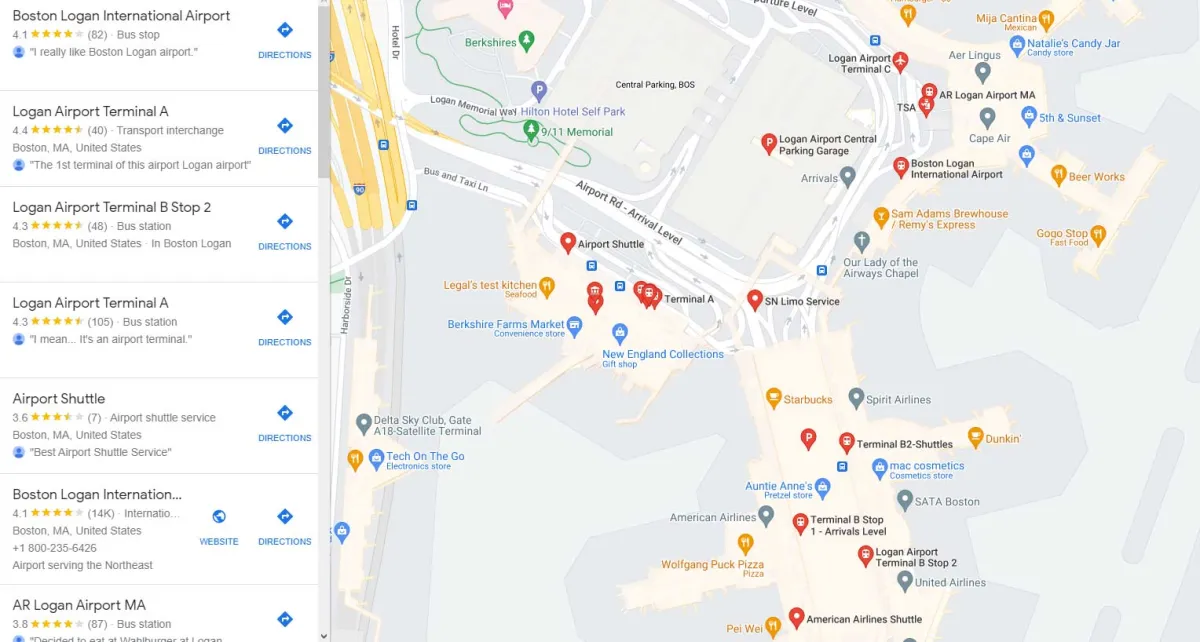 Photo: Logan Airport, via logan-airport.com
Diverting to New York? Also impossible. Philadelphia? Closed. Baltimore? Not equipped for international arrivals. Mitchell's options were shrinking fast when air traffic control offered an unexpected alternative: "Flight 847, you're cleared for emergency landing at Gander, Newfoundland."
 Photo: Gander, Newfoundland, via media.adminnewfoundlandlabrador.com
Gander had a runway — a long one, built during World War II when the tiny town served as a crucial refueling stop for trans-Atlantic flights. What it didn't have was much else.
Population: 10,000 Plus 247 Unexpected Guests
Gander in 1985 was a town that time was slowly forgetting. The jet age had made its refueling role obsolete, and most international flights now flew straight over without stopping. The airport handled maybe a dozen flights per week, mostly small regional carriers.
Sudenly, a wide-body Boeing 767 was touching down with nearly 250 stranded passengers, and airport manager Tom Clarke was staring at a logistical nightmare. The terminal had maybe fifty seats. The town's only hotel had thirty-seven rooms. The nearest city with real accommodations was a four-hour drive through what was shaping up to be a historic blizzard.
Clarke made a decision that would echo for decades: "We'll figure it out."
The Town That Said Yes
Within two hours of Flight 847's landing, something extraordinary was happening in Gander. Word had spread through the tight-knit community that hundreds of travelers were stranded, and residents were responding in ways that defied every cynical assumption about human nature.
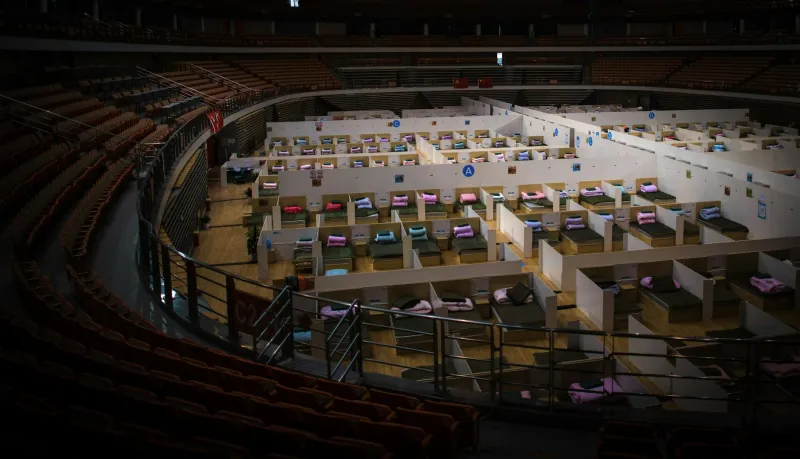
The high school gymnasium was converted into a temporary dormitory. The community center became a dining hall. Local families opened their homes to complete strangers. Mary Thompson, a retired teacher, found herself hosting a family of five from Manchester. "They were so apologetic about the inconvenience," she later recalled. "I told them nonsense — we were having the most interesting week of our lives."
Restaurant owners donated food. The local grocery store extended unlimited credit to stranded passengers. Volunteers organized entertainment: impromptu concerts, card tournaments, storytelling sessions that lasted until dawn. Children from the local schools came to practice their English with international travelers.
Four Days That Lasted Forever
What was supposed to be a twelve-hour delay stretched into four days as the storm system stalled over eastern Canada and New England. But something magical happened during those ninety-six hours: artificial barriers dissolved.
Business executives found themselves washing dishes alongside teenagers. Elderly passengers taught card games to young families. Language barriers became opportunities for creative communication. Dr. James Patterson, a London surgeon, ended up helping the local veterinarian with emergency calls when the town's doctor was snowed in.
"By the third day, nobody wanted to leave," remembered passenger Linda Chen, a marketing executive from Boston. "We'd created this bizarre little temporary society, and it was working better than most places we'd come from."
The Departure Nobody Wanted
When the weather finally cleared and Flight 847 was cleared for takeoff, the farewell scene at Gander airport looked more like a family reunion ending than a group of strangers parting ways. Addresses were exchanged. Phone numbers were scribbled on napkins. Promises were made to stay in touch — the kind of promises that usually fade with distance and time.
Except these didn't.
The Return That Never Stopped
Within a year, seventeen passengers from Flight 847 had returned to Gander for visits. Not business trips or tourist excursions — genuine visits to see people they now considered friends. Dr. Patterson established a scholarship fund for local students interested in medicine. The Manchester family that stayed with Mary Thompson sent their daughter to spend a summer in Gander when she turned sixteen.
Chen organized an annual reunion that brought dozens of former passengers back to Gander every March 15th. Local residents would plan their vacations around "847 Week," when their temporary neighbors returned to catch up on a year's worth of life.
The Economics of Unexpected Kindness
By 1995, ten years after the original incident, economists studying Gander's development noted something unusual: the town's economy was thriving despite the continued decline of aviation traffic. Tourism was up 300%. Several small businesses had been started with investment from former Flight 847 passengers. The high school's computer lab was funded entirely by donations from people who had spent four days sleeping on gymnasium cots.
The storm that was supposed to be a disaster had become the foundation of sustainable prosperity.
When Weather Becomes Destiny
Flight 847's story challenges our assumptions about human nature and community. We live in a world that assumes strangers are problems to be managed, that hospitality is a business transaction, that meaningful connections require time and shared backgrounds.
Gander proved that sometimes the opposite is true: when circumstances strip away all the usual social protocols and force people to rely on basic human decency, remarkable things can happen. The storm that trapped 247 passengers in an isolated town created bonds that lasted decades and changed both the visitors and their hosts in ways that continue to ripple outward.
Every March 15th, when weather delays strand travelers in airports around the world, a few people remember Flight 847 and wonder: what would happen if we stopped treating unexpected encounters as inconveniences and started treating them as opportunities?
In Gander, they already know the answer.